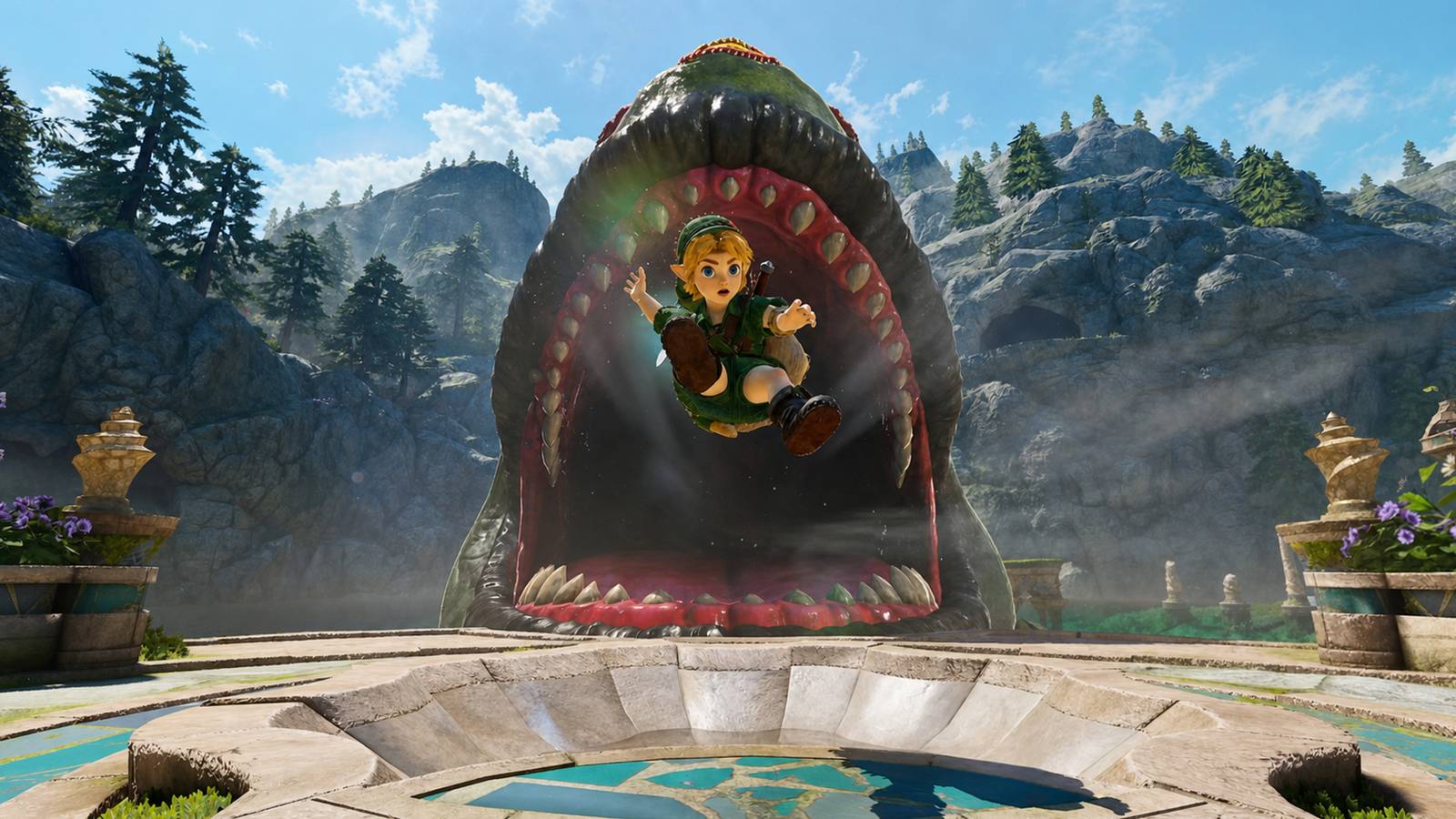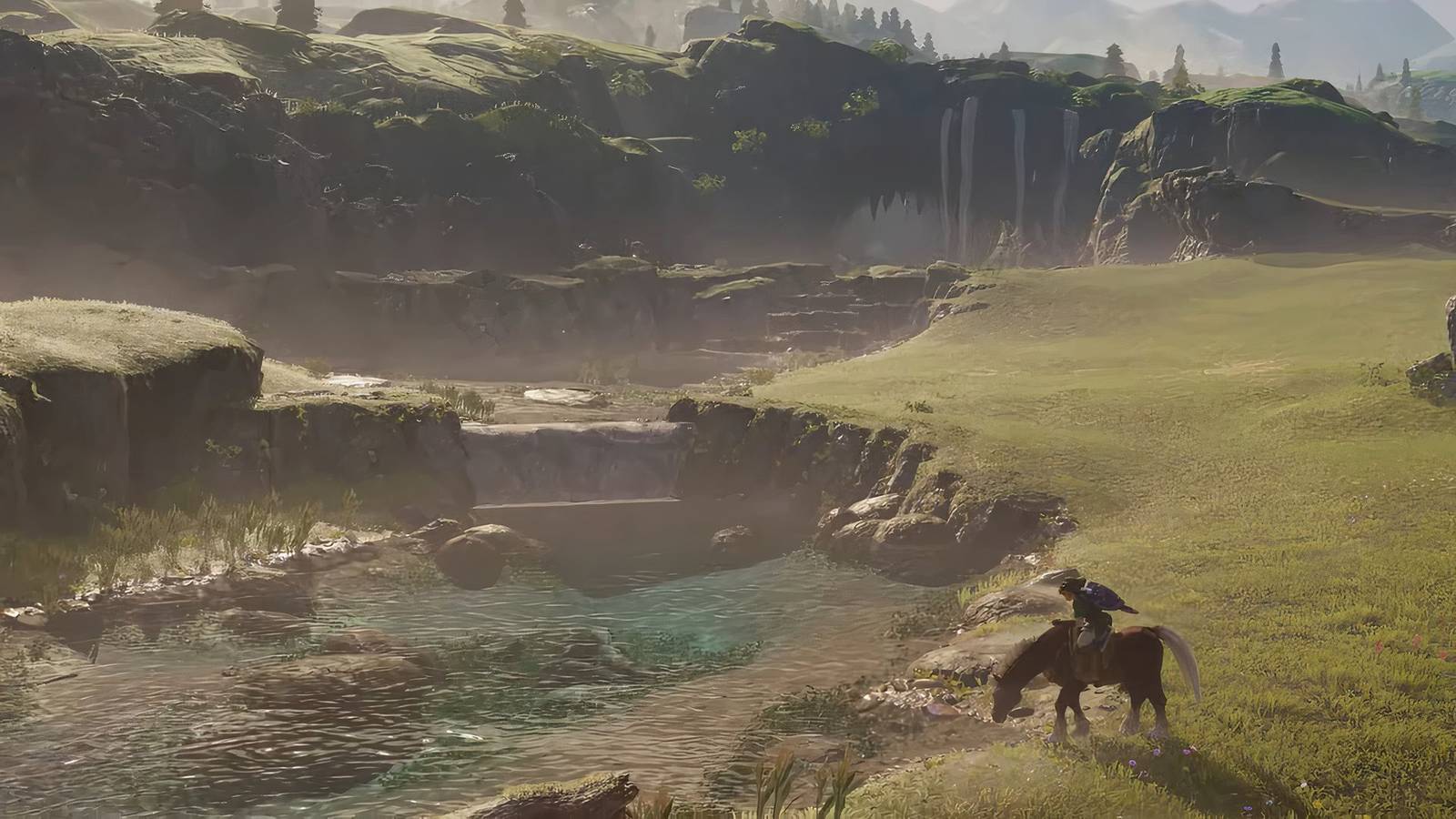




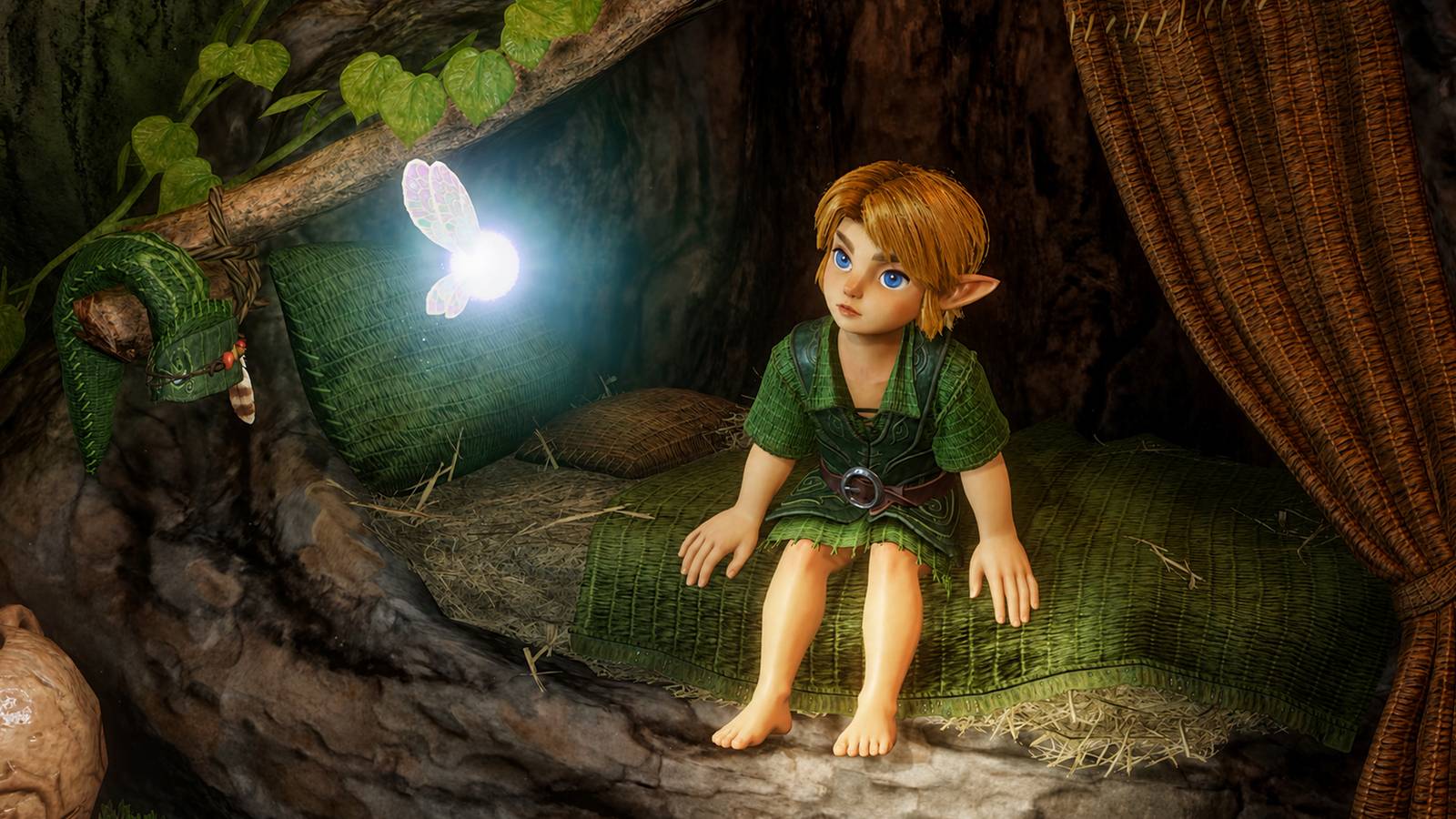
The Legend of Zelda: Ocarina of Time remake for Switch 2 has finally received a deeper look via the franchise’s 40th anniversary Direct, and while fans like myself were thoroughly pleased with what we saw, the reception hasn’t been all sunshine and rainbows. I, for one, was over-the-moon excited about getting to play one of my all-time favorite classics on modern hardware, now with overhauled visuals and a handful of quality-of-life improvements many of us have wanted over the last few decades. However, others seemingly haven’t been quite as ecstatic as I am about the whole thing, seeing the Ocarina of Time remake as almost too faithful of a remake, with the same gameplay and overall structural design of the original game.
There is one major change, though, that separates the remake from the original N64 classic, and it goes far beyond a mere quality-of-life update. It’s a change that, to be honest, I didn’t expect to be as divisive as it is, simply because it won’t be changing or interrupting the normal flow of gameplay at all. But alas, it is 2026, and it seems like gamers are just getting increasingly dissatisfied with what is, by and large, one of the most enjoyable forms of interactive entertainment there is. And because of that growing discontentment, we have become deeply upset that the Ocarina of Time remake would dare add full voice acting to the game’s cutscenes. And not just voice acting, either—but the kind of voice acting that some have come to despise. Even so, there’s a simple fix for it, if Nintendo even cares to implement it.
Ocarina of Time Doesn’t Have to Make Players “Suffer” Its Voice Acting
I will admit, I’m a bit naive when it comes to controversy, as I’m almost always on the more positive side of the aisle, even when it isn’t a game I’m particularly interested in. Unless I’m reviewing a game, and I am specifically tasked with being critical, my opinion is usually very optimistic, to the point that I can get hyped about a game that I barely knew existed or normally wouldn’t have cared about. That’s why I’m a bit baffled that there’s such an upset about Ocarina of Time‘s new voice-acted cutscenes, because to me, it’s really not that big of a deal. If anything, voice acting builds a bridge between the veteran fans of the original N64 game and any potential newcomers in the late 2020s, as modern gamers seem to prefer more cinematic experiences.
Put the consoles in the correct order.
That’s somewhat beside the point, though, because this isn’t really about whether adding voice acting to Ocarina of Time‘s cutscenes is worth griping about. In fact, that’s only half the point, because the real argument lies in just how polarizing this decision is. Players like me have no problem with it, while others most certainly do. And it’s not really just the addition of voice acting that some have taken up issues with, but the kind of voice acting it is.
User jayvancealot on Reddit, for instance, said they “simply despise this breathy anime voice acting that is so popular now in dubs,” using the Ocarina of Time remake as a reference point. What’s interesting, though, is that they also said “I always prefer dubs,” which just reinforces my point that modern gamers tend to prefer more cinematic experiences, where the characters feel like actual characters rather than walking dialogue boxes. Still, plenty of comments below the main post seemed to agree with the OP, chiming in with their two cents about what modern English dubs do for classic, once-silent games.
If anything, voice acting builds a bridge between the veteran fans of the original N64 game and any potential newcomers in the late 2020s, as modern gamers seem to prefer more cinematic experiences.
I will say that someone in that Reddit thread brought up a great point that I didn’t quite consider before. User Deep-Exit1594 said, “Also the sound effects when you click through dialogue particularly in some of the more solemn scenes adds something I can’t quite describe.” As soon as I read that, I immediately understood what they meant. There are so many cinematic moments in the original Ocarina of Time that gain a lot of their impact from the silence, like the scene where young Link first leaves Kokiri Forest and is stopped by Saria at the last minute. I can still hear the gravity of that moment in its quietness, and I can see how adding voice acting to it could lessen its impact.
Does that make me upset that Nintendo decided to implement fully voiced cutscenes? Absolutely not. For one thing, I haven’t seen enough of the remake yet to know whether the addition of voice acting actually “ruins” the experience. But for another, I prefer when characters are voiced now, too, though I’m not opposed to reading text either. The only time I really find it difficult to get behind voice acting is when it is truly terrible, but even then, if the overall experience has the story and gameplay to justify enjoying it, I will. However, I know I’m far from the only person here to please, and if Nintendo really does want to ensure the Ocarina of Time remake reaches a bit further than me, it might need to incorporate one final change.
Ocarina of Time Could Just Let Players Turn the Voice Acting Off
The obvious solution here is so simple that I almost feel silly spelling it out. Nintendo could just give players the option to turn the voice acting off. Keep the subtitles exactly as they are, let the dialogue play out the way it did in the original game, and suddenly, both sides of this argument get what they want. Players like me who are perfectly happy hearing these characters speak for the first time can leave the voices on, while anyone who believes the silence was part of Ocarina of Time‘s identity can experience those scenes without them. Considering how committed this remake otherwise appears to be to preserving the original game’s structure and feel, an option like that would make a lot of sense.
More importantly, I don’t think giving players that choice would somehow undermine Nintendo’s decision to add voice acting in the first place. The voices would still be there for newcomers, and they would still be the default experience if Nintendo wanted them to be. A toggle would simply acknowledge that Ocarina of Time means different things to different generations of players. For some of us, those quiet cutscenes have been burned into our memories for nearly three decades, right down to the little sounds that accompany each line of dialogue. If preserving that experience is as easy as adding one setting to the options menu, I can’t see much reason not to do it.


- Released
-
November 5, 2026
- ESRB
-
Everyone 10+ / Animated Blood, Fantasy Violence
- Developer(s)
-
Nintendo
- Publisher(s)
-
Nintendo