



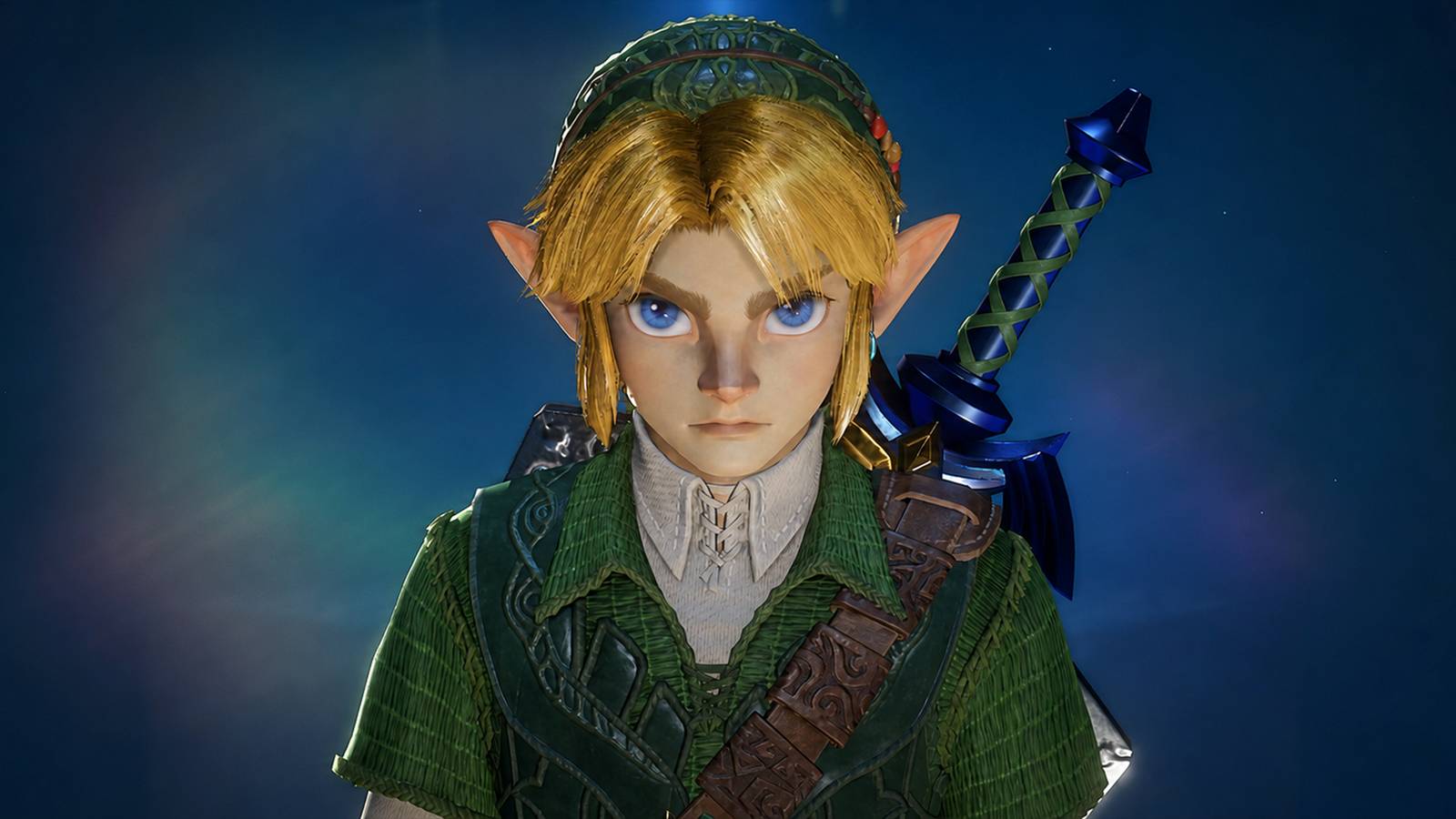
The Legend of Zelda: Ocarina of Time has been one of my favorite games since I first played it on the Nintendo 64, and while I would still argue that it’s one of the greatest games ever made, even I can admit that the original isn’t without its faults. After all, bringing Zelda into a fully 3D world was a massive undertaking in 1998, and there were certain things Nintendo simply couldn’t do with the hardware it had. However, returning to Ocarina of Time in the Switch 2 remake has made those limitations even easier to recognize, largely because so many of them are finally gone.
And it’s not just the big changes—like manual jumping and the new camera—that stand out in the Ocarina of Time remake. Some of the best fixes are things I’d gotten used to dealing with in the N64 game, from opening the menu over and over again to collecting Rupees I couldn’t keep. A few were addressed in Ocarina of Time 3D, but others are entirely new to the remake.
The following list isn’t a comprehensive list of the changes the Ocarina of Time remake made to the original N64 game—only the fixes it made to the original game’s biggest problems.
The Water Temple’s Confusing Layout
Getting Lost Is Still Part of the Experience, but It’s No Longer Such a Headache
The Water Temple has a reputation that almost precedes Ocarina of Time itself, and there’s a pretty good reason for that. To progress, players have to repeatedly raise and lower the water level, revisit rooms on different floors, and keep track of where they’ve already found Small Keys—an issue I and many others ran into in the original game, leading us to assume we had bricked our save because we couldn’t progress. But the problem with the N64 version wasn’t just the layout, as even getting from one part of the dungeon to another required constantly opening the equipment menu to put on or remove the Iron Boots. Do that enough times, and it’s incredibly easy to lose track of what you were doing in the first place.
In the remake, I can toggle the Iron Boots with the D-pad, which immediately takes one of the biggest annoyances out of exploring the dungeon. Nintendo also replaced some of its solid walls with lattice-style structures, so it’s possible to see into adjoining rooms and get a better idea of how everything connects. Even Eiji Aonuma, who designed the original Water Temple, admitted he had some unfinished business with it. And I think that’s important here, because these changes don’t give away the solutions to its puzzles. They just make getting around a dungeon that’s already complicated enough a little less of a chore.
The Original Game’s Restrictive Camera
Being Able to Look Around Freely Makes Hyrule Feel Like an Entirely Different Place
For as much as Ocarina of Time did to establish how 3D adventure games would work, its camera was still restricted by the N64 controller having only one analog stick. Z-targeting helped solve that problem, allowing players to reposition the camera behind Link or lock onto an enemy, but it wasn’t the same as being able to look wherever you wanted. That was especially noticeable in enclosed areas, where the camera could make it difficult to inspect a room without moving Link around first. Even finding a particular ledge or object sometimes meant fighting for a better angle.
The remake gives me full camera control with the right stick, and that changes how I explore places I’ve been visiting for nearly three decades. Instead of repositioning Link every time I want to see what’s off to the side, I can simply turn the camera and have a look. What’s interesting is that Nintendo had to account for that freedom when rebuilding Hyrule, since players can now see parts of the environment from angles the original never allowed. Considering how much detail has been added to familiar locations like Kokiri Forest and Castle Town, I’m glad I can actually take the time to look at it. I’d say the only issue I have with the new camera is the fact that I have to use claw grip if I want to move the camera while sprinting.
Link’s Inability to Jump Whenever He Wants
Manual Jumping Gives Players More Freedom Without Sacrificing the Original Gameplay

In the original Ocarina of Time, Link would automatically jump when he ran toward certain ledges, but there was no way to make him jump wherever you wanted. It worked for the environments Nintendo had designed around it, though it also meant the game decided which gaps could be crossed and which ones couldn’t. That’s a pretty noticeable restriction when compared with Breath of the Wild and Tears of the Kingdom, where jumping is something players can do at any time. And while the N64 game’s system made sense for its controls, it wasn’t necessarily giving players much freedom.
The remake’s dedicated jump button is a great improvement, and one I’ve been using constantly while making my way around Hyrule. It may sound like a small thing, but being able to choose when Link jumps makes basic movement feel completely different from the original. Nintendo even had to revisit some of the terrain to account for that freedom, including the different jumping distances of Young Link and Adult Link. There’s also an option to perform the Jump Attack with its original single-button input, alongside the newer jump-then-attack method, so players don’t have to give up that particular bit of N64 muscle memory. I, for one, still prefer the single-button input.
Constantly Pausing the Game to Change Items

The N64 controller gave players three C-buttons for assigning items, which worked well enough early in Ocarina of Time when Link had little more than a Slingshot and some Deku Sticks. But by the time the inventory filled up with Bombs, the Bow, the Hookshot, and various magic spells, three slots weren’t always enough. You could need one item to solve a puzzle and another to reach the next room, opening the pause menu each time to swap them around. The Iron Boots made that especially frustrating, since they weren’t even assigned like regular items.
In the remake, I can bring up a quick-select menu and switch tools without going back into the full inventory screen, which makes a noticeable difference in Ocarina of Time‘s dungeons where I’m using several items in succession. The Ocarina, boots, and masks also have D-pad shortcuts, so some of the equipment I use most often is even easier to reach. There is a tradeoff, though, as the remake has one standard active-item slot rather than three directly assigned C-button items. Still, the new system is much quicker when I’m swapping between several tools, and that’s something you just can’t avoid in Ocarina of Time.
Having to Roll Everywhere to Move Faster
Link Can Finally Sprint Across Hyrule Field Without Constantly Tumbling
Before Link gets Epona, there’s a lot of running involved in Ocarina of Time, especially when the story starts sending him back and forth between Castle Town, Kakariko Village, and other parts of Hyrule. The original game didn’t have a dedicated sprint, so repeatedly rolling forward became a common way of trying to get somewhere faster. In fact, Aonuma and the remake’s developers specifically brought up how often players would spam the Roll Attack across Hyrule Field. It’s one of those things that became second nature after enough time with the N64 game, even if Link looked ridiculous doing it.
Now, holding the Roll Attack button makes Link transition into a sustained dash, so I can cover the same stretches of Hyrule Field without hammering the button the entire way. I like that Nintendo kept the original roll, too, because it’s still there whenever I want to use it. The developers apparently considered adding more fast-travel points before deciding that skipping too much of Hyrule would take away from the discoveries made along the way. That makes sense to me, especially for a game where the journey between destinations has always been part of the adventure. Getting there faster is enough.
Navi and Kaepora Gaebora’s Constant Interruptions
Two of Zelda’s Most Notorious Companions Are Finally Less Annoying
Navi’s habit of interrupting Link with repeated reminders has been a running joke among Ocarina of Time fans for years, but the fairy wasn’t the only character who could hold up the adventure. Kaepora Gaebora, the owl who stops Link to deliver lengthy explanations, had an even more irritating trick. The options at the end of his dialogue made it surprisingly easy to ask him to repeat everything, even when you were trying to move on. Neither problem changed the game’s puzzles or combat, but both interrupted the flow of an adventure that otherwise gave players plenty of reasons to keep exploring.
Those interruptions have been cut down in the remake, with Navi offering fewer unsolicited hints and Kaepora Gaebora no longer so eager to repeat his speeches. I especially appreciate the latter, because listening to the same explanation twice isn’t exactly a great reward for pressing the wrong option. Navi is still beside Link, of course, and the owl still has things to say, so it’s not as though Nintendo has removed either character. It’s simply made their help less intrusive, which lets me spend more time actually playing Ocarina of Time instead of waiting for someone to finish telling me what to do.
Forgetting What to Do After Taking a Break
Threads of Time Makes It Easier to Pick Up Where You Left Off

Ocarina of Time doesn’t have a traditional quest log, which means remembering where to go is largely up to the player, Navi’s hints, and whatever an NPC last said. That’s not necessarily a problem when you’re playing every day, but returning after a lengthy break can be another matter entirely. It’s especially true once the adventure starts sending Link across Hyrule for smaller objectives, some of which aren’t immediately connected to the main story. The Biggoron’s Sword trading sequence is a good example, as its deliveries and destinations are easy to mix up if you haven’t touched the game in a while.
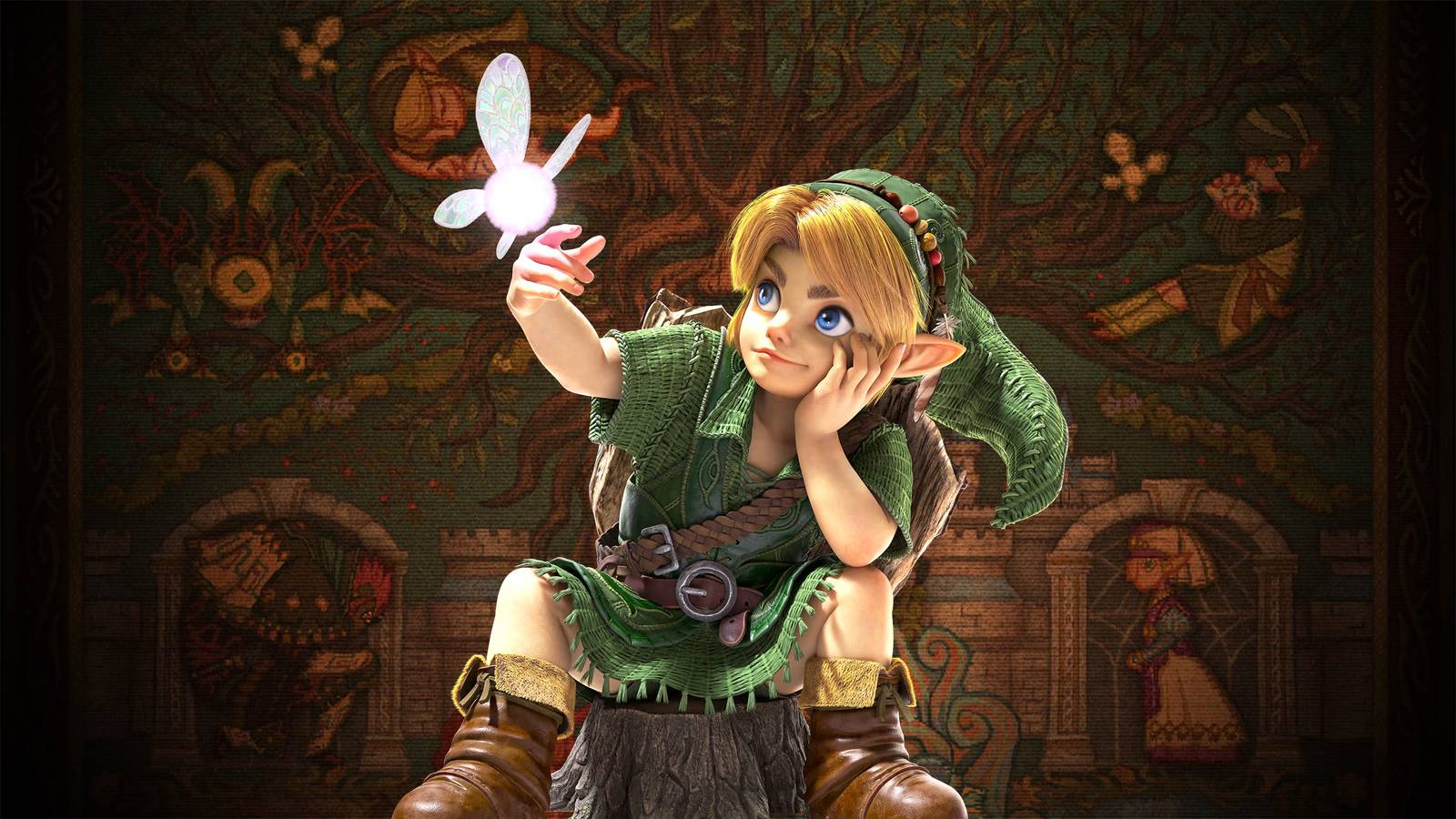
The remake introduces Threads of Time, an illustrated tapestry that fills out as Link progresses and lets me revisit the story without having to piece everything together from memory. It also offers guidance about what to do next, which is handy if I’ve spent a while doing side activities and need to get back on track. But I like that it doesn’t turn every part of Hyrule into a trail of objective markers, because there’s still plenty that players have to figure out themselves. Even with the new system, a quest as involved as Biggoron’s Sword can take some work. That’s perfectly fine.
The Original Game’s Cumbersome Projectile Aiming
Gyroscope Controls Make the Bow, Slingshot, and Hookshot Easier to Use

Aiming the Slingshot, Bow, and Hookshot in the N64 version of Ocarina of Time wasn’t always easy, especially when a puzzle involved hitting a small switch or another object from a distance. Players had to line up their shots using a single analog stick, and while Z-targeting helped against enemies, it couldn’t solve every aiming problem. That became particularly noticeable when a Gold Skulltula was tucked away somewhere awkward or when Link needed to hit a target at just the right angle. The items themselves were fun to use, but getting a precise shot could take more fiddling than it needed to.
The remake allows for much more flexible third-person aiming, with optional gyro controls for making smaller adjustments, and I’ve found the difference especially useful when using the Hookshot. Rather than fighting the stick to line up a distant target, I can adjust the aim more naturally and get back to exploring. Of course, gyro aiming was also included in Ocarina of Time 3D, so Nintendo hasn’t invented that particular fix for the Switch 2 version. But paired with the remake’s freer camera and movement, it makes the tools Link relies on throughout the adventure easier to use than they were on the N64.
Boss Fights That Don’t Always Communicate Their Mechanics Clearly
Better Visual Cues Make Boss Encounters More Intuitive Without Giving Away Their Solutions
One of the best things about Ocarina of Time‘s bosses is that fighting them often involves figuring out how to use whatever item Link picked up in the dungeon. But knowing the solution and knowing when an enemy can actually take damage aren’t always the same thing. Queen Gohma, for example, has a giant eye that clearly stands out as a weak point, although the original encounter doesn’t always make it obvious when she’s vulnerable. Players can end up trying the right attack at the wrong time, which doesn’t necessarily help them understand what they should do differently.
Nintendo has changed some boss animations in the remake to make those situations easier to read, and Gohma is a good example. She now uses her arms to guard her eye whenever she can’t be damaged, so it’s much clearer when there’s an opening for Link to attack. I think that’s a great way of handling it, because the game still expects players to figure out the fight rather than simply giving them the answer. And as someone who remembers finally figuring out Phantom Ganon’s mechanics as a kid, I’d hate to see that part of Ocarina of Time disappear. Better feedback is one thing; solving the fight for you is another.
Link’s Extremely Restrictive Starting Wallet
Carrying More Rupees From the Beginning Makes Exploring More Rewarding

There are Rupees all over Hyrule in the original Ocarina of Time, but Link could only carry 99 of them when starting the adventure. Once his wallet was full, anything else he picked up was wasted, even if it came from a secret that took some effort to discover. Getting the Adult’s Wallet raised the limit to 200 Rupees, but doing that required collecting 10 Gold Skulltula tokens and claiming the reward from the family in Kakariko Village. Until then, it was surprisingly easy to find more money than Link was allowed to keep, especially when exploring every corner of the early areas.
The remake starts Link with room for 200 Rupees, which means I can spend more time collecting money before having to worry about the wallet filling up. It also doesn’t make the original Gold Skulltula reward pointless, as the Adult’s Wallet now increases capacity further, to 500 Rupees. And there’s an actual reason to want that extra money, since some Great Fairy upgrades now come with a Rupee cost. I like that combination, because it makes the money I find while exploring more useful without taking away the incentive to hunt Gold Skulltulas. There’s finally more room to save Rupees and more reason to spend them.