


Amina Ayoud is an avid gamer with a vast love of all genres, from cozy frolics to heart-pounding horror. The writer is best known for her deep love of horror titles like Resident Evil, Silent Hill, and Dead Space. She’s an avid fan just like you, looking to share her love for the franchises that make her want to pick up the controller.
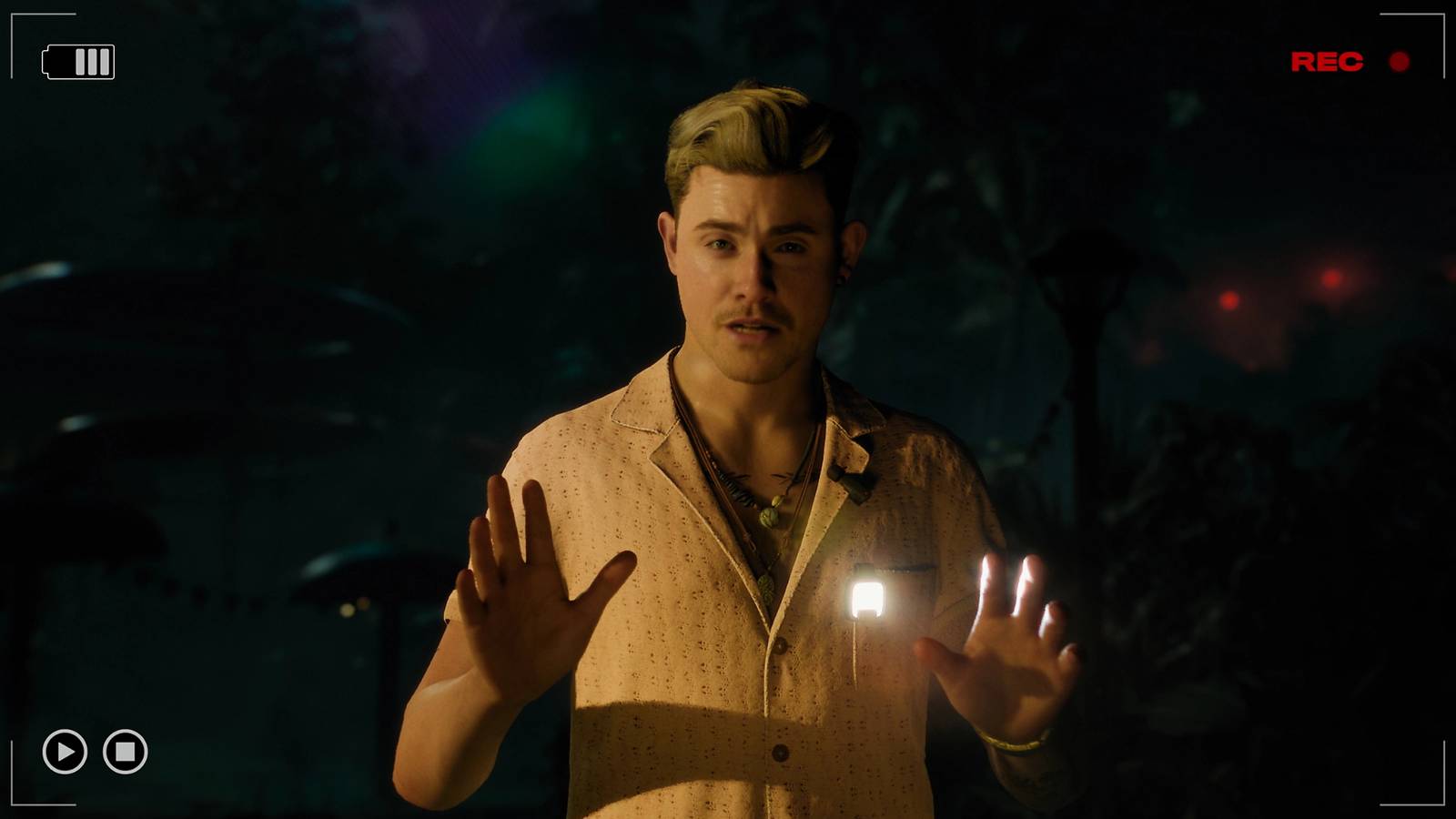
2027 is already shaping up to be a great year for horror games. So far, we’ve already got heavy-hitters like Resident Evil Veronica, Alien: Isolation 2, The Lost Wild, and the one I am most excited about, Until Dawn 2. The butterfly effect is back like it never left, giving horror fans yet another go at making decisions in the most stressful situations possible. Co-developed by Firesprite and AdHoc Studio, Until Dawn 2 is slated to release on January 28, bringing the series back after around 11 years.
As a big horror fan, I am always in search of new titles that will up the scare-factor, bringing something entirely new to the table that I haven’t experienced before. Until Dawn was that game for me all the way back in 2015, treating me to a horrifyingly fun romp that I find myself playing again and again, especially thanks to the 2024 remaster. Uncovering secrets, taking on absolutely frightening wendigos, and choosing paths I couldn’t divert from endeared me to Until Dawn like no game before. What really struck me upon my first playthrough was the tactile, immersive mechanics implemented throughout via motion tracking.
Until Dawn 2 Is Making Horror Tactile and Frightening with Hefty DualSense Wireless Controller Functionality
-
 Image via Firesprite and AdHoc Studio.
-
 Image via Firesprite and AdHoc Studio have taken on the Until Dawn helm, it will be interesting to see what else the duo might add to make the experience even more frightening.
For Horror Games to Succeed, Devs Need to Reinvent the Wheel
-
 Source: Firesprite
-
 Image via Kinetic Games
-

The trajectory of horror titles is constantly changing and adapting to implement technology like this into games. I am endlessly fascinated by this functionality because it makes horror games, and games in general, more tactile and immersive. Players are given more of a hand in the action, directly impacting the outcome of gameplay. We’ve run the gauntlet on decision-making gameplay, so the natural next step should be tapping into technology that further enhances scares.
Of course, these tangible mechanics aren’t new for the Until Dawn series. Back when the original came out in 2015, devs played around with motion tracking, heightening the experience of horror by testing players’ balance and aim under pressure.
Horror devs are constantly having to innovate in order to update the horror experience. Tactile experiences like the ones in Until Dawn 2 are a sure-fire way to get thrill-seekers scared. Some creatives have utilized a controller’s microphone like in Alien: Isolation to up the scare-ante, while others have utilized AI to make monsters more attentive and aware. Some horror titles, like Death Stranding, focus on asynchronous strand gameplay. Instead of focusing on enhancing the horror aspect, this mechanic upgrades the user experience by creating a world where the player’s actions affect other players directly.
In extreme cases, games can tap into a player’s webcam, like Vigil, or the tech players are gaming on to alter files, like Doki Doki Literature Club. Somehow, devs have also figured out how to implement voice recognition, allowing threats to mimic the voice of players speaking out loud, à la Phasmophobia. All of these mechanics reach players in an intimate way, seeping into the real world to affect them outright. I believe that this is the next avenue horror devs need to take in order to create impactful, truly terrifying experiences for players.
 Systems

- Released
-
January 28, 2027
- Developer(s)
-
Firesprite
- Publisher(s)
-
Sony Interactive Entertainment
- Number of Players
-
Single-player
-