






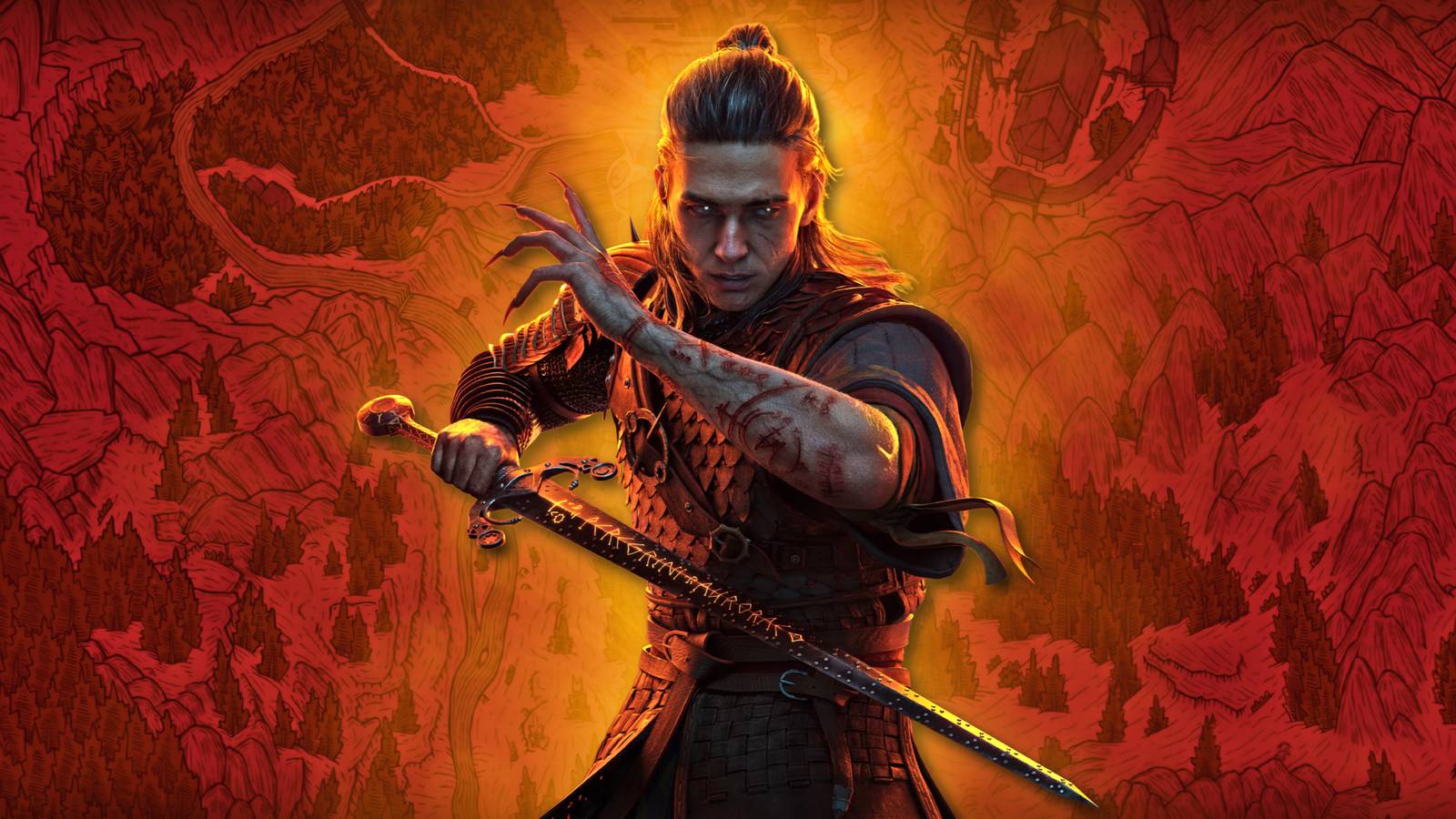
Considering how much time the open-world RPG genre has spent selling freedom by the square mile, The Blood of Dawnwalker is remarkably refreshing. That’s a strange thing to admit, given Rebel Wolves’ debut is clearly smaller than most of the games it will inevitably be compared to, and it hands players a literal gameplay timer on top of that. But while both of those features sound like restrictions on paper, these “restraints” are actually the reason The Blood of Dawnwalker is my most anticipated open-world RPG of the year.
To be clear, I love open-world RPGs, but that’s why the genre’s slow drift toward a “bigger-is-better” design philosophy has been so grating. Of course, that alone doesn’t qualify my interest in Dawnwalker‘s world, one Rebel Wolves itself describes as not that big, or the in-game limit of 30 days and 30 nights to save protagonist Coen’s family from Brensis, the region’s vampire lord. That said, the nitty-gritty details these elements imply (and what Rebel Wolves intends to achieve overall) have already made Blood of Dawnwalker one of the boldest offerings in the genre this year; one I pray ends up being influential in the long run, too.
Blood of Dawnwalker Is Rightfully Bucking A Bigger Map
For context, this genre’s larger problem with map size and staleness makes plenty of sense: scale is measurable, marketable, and easy to promise, even pre-release. The catch is that, as this tried-and-true system has run its course, the content filling all that space has gotten cheaper and less surprising, leaving icons and camps to clear where memorable gameplay should be. Ubisoft’s “climb the tower for things to do” template is the most recognizable version of it, but the problem extends well beyond any single publisher; this certainly isn’t the first time I’ve stressed how clearly the modern open-world genre is missing something tangible.
GameRant Quiz
Easy (15s)Medium (10s)Hard (5s)
Big worlds aren’t inherently bad, of course—plenty of players want that experience—the trouble comes down to scale and intentionality. That’s something Dawnwalker‘s Game Director Konrad Tomaszkiewicz has actually described before: he’s been clear about how the genre’s behemoths have maps that are impossible to really know every nook and cranny of, and how players end up rushing through them instead of living in them. Budgets aside, a smaller map and a tighter focus provide an opportunity for those equipped to capitalize on it; thankfully, Rebel Wolves fit that bill, considering Dawnwalker‘s Vale Sangora comes in as a deliberate step-down in map size, and an equally deliberate step forward toward player freedom.
Dawnwalker Is Pitching a Package Deal

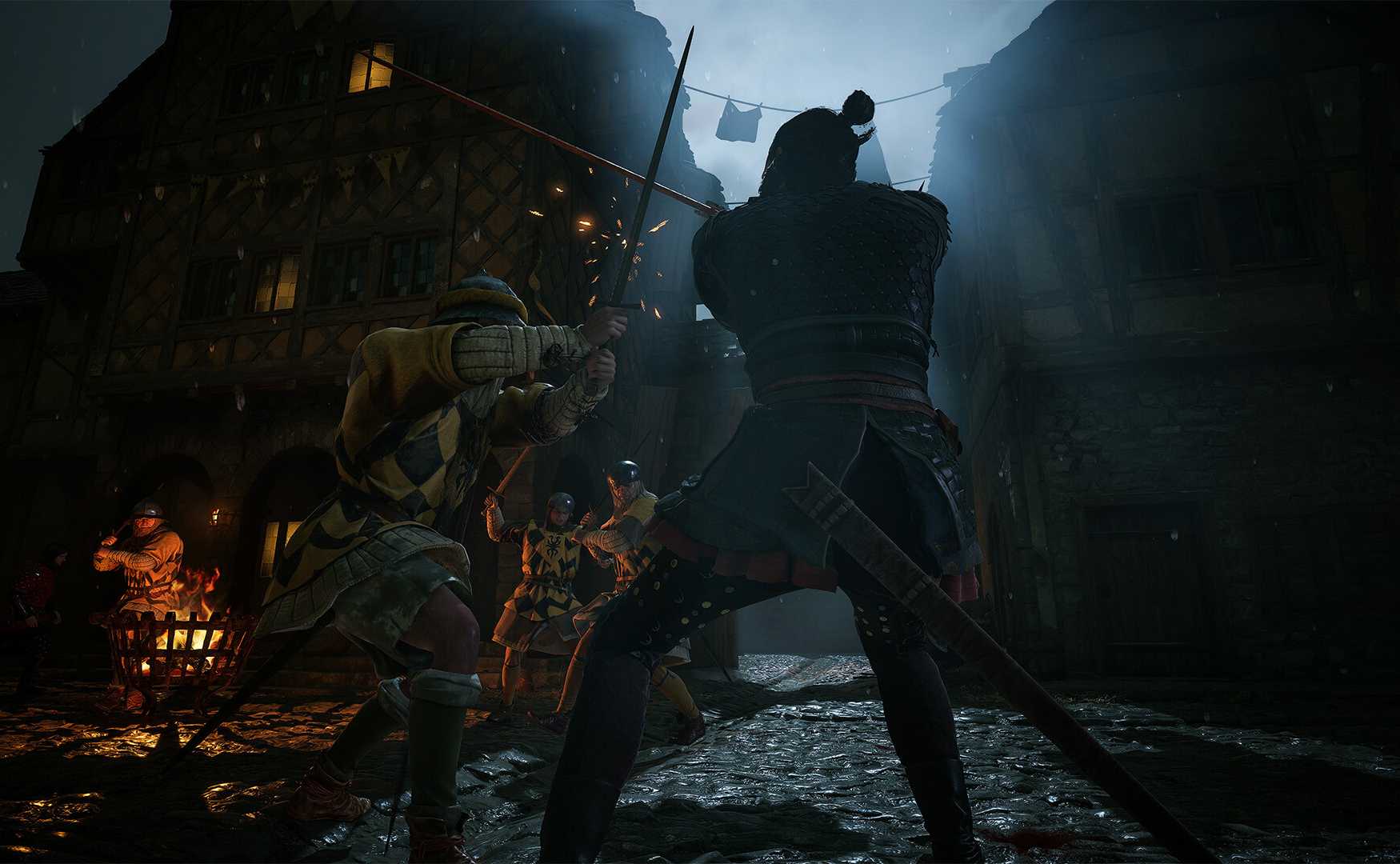
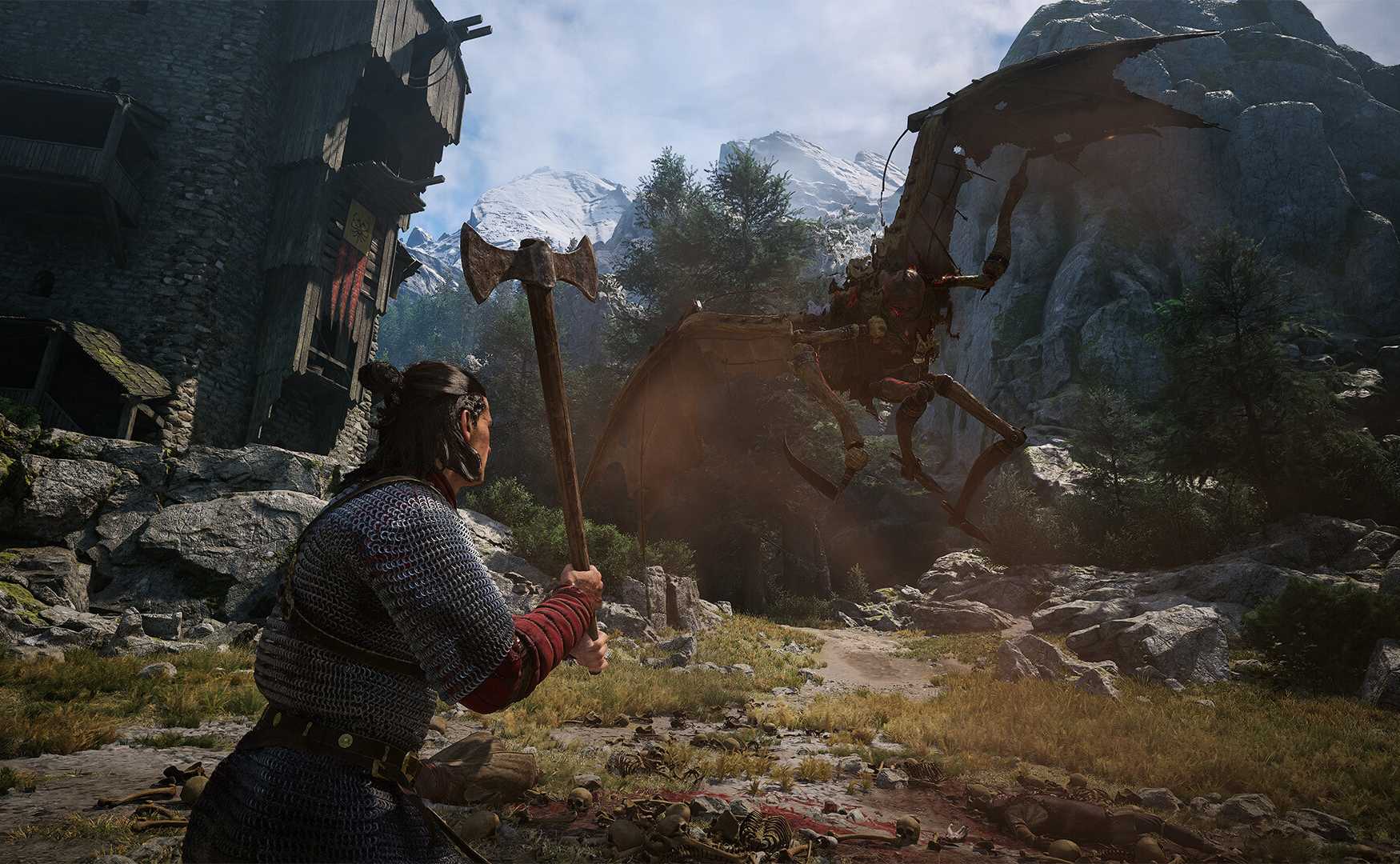
At Gamescom, Senior Quest Designer Patryk Fijalkowski plainly stated that Blood of Dawnwalker‘s world “isn’t that big.” A great example of that: as a result, there are no mounts of any kind in the valley of Vale Sangora. But Dawnwalker is clearly a very intentional package, and even based on previews alone, it’s clear the actual content on offer speaks to an ingenious sort of practicality—one keeps a project like this inside a scope a smaller studio like Rebel Wolves could realistically follow through on.
I love open-world RPGs, but that’s why the genre’s slow drift toward a “bigger-is-better” design philosophy has been so grating.
What’s particularly striking in this case is that Blood of Dawnwalker‘s world, Vale Sangora, has essentially been designed twice. The game’s protagonist, Coen, is a Dawnwalker—a human by day and a vampire by night—which means that depending on which from players choose, each play space carries several distinct sets of access points based on each form’s abilities, and two versions of whoever (or whatever) might be waiting inside. As players are deciding how to spend their time, which version of the world they want to inhabit will be a critical decision.


One current example of this system in practice is a quest that sends Coen hunting for a legendary sword. Eventually, the hunt leads him to its owner, Saint Mihai, who’s a Dawnwalker that’s entombed alive by the villagers who once revered him. He’s starved through the day and regenerated each night until his mind finally gave out, and should Coen arrive in daylight, Mihai comes at you with the full Dawnwalker toolkit; after dark, their vampire form will change the encounter drastically.
Transforming the Traditional Ubisoft Tower Trope
Though it’s mostly a funny aside, it’s worth mentioning that Blood of Dawnwalker hasn’t fully done away with the Ubisoft tower trope—but it has meaningfully evolved it. Coen can still climb one to reveal the surrounding map, but it’s something that can really only happen after sundown, because walking up walls is a vampire power. To me, that’s a meaningful change, and some helpful nuance considering my issue isn’t that the existing formula is wrong; just cheapened.
Dawnwalker’s Clock System and Time Well Spent
The crucial second part of this package is the in-game clock, especially given how it functions as a vehicle for player choice. It sounds stressful at first: each of the 30 days and nights is a bar split into 8 segments, and only actions flagged with an hourglass icon will spend one of those segments. But exploring the valley, fighting enemies, and poking through ruins cost nothing whatsoever—and any decision that will move things forward is clearly marked as such in the UI.
This is exciting, particularly because, in essence, it seems more like a unique gameplay economy that players can build playthroughs around than any sort of limitation. Plus, players have an exit at either end, as after the prologue nothing is stopping you from walking up to Brencis’ castle and trying your luck against him immediately. Should players prefer the scenic route instead, day 30 is apparently more of a story branch than a hard limit, too—Tomaszkiewicz said he hopes some players let time run out entirely to see some unique content, and Piotr Kucharski, a writer at Rebel Wolves, told CNET, “In fact, we invite it, right? We want to see those people on YouTube.”
The crucial second part of this package is the in-game clock, especially given how it functions as a vehicle for player choice.
This isn’t an unprecedented design decision: Tomaszkiewicz has pointed to the influence of the original two Fallout games, where a player who knew the route could ignore everything and head straight for the Enclave. What’s new here is the pairing, a proven structure welded to an economy where even leveling up spends a segment of daylight. How that will influence each playthrough is what makes Dawnwalker so exciting.
Smaller Worlds, Intentionality, and What Might Save a Genre From Fatigue

Ultimately, my experience with this beloved genre is that the open-world RPG has grown a little too comfortable selling acreage as a stand-in for quality and intention, and the results have started to blur together. Dawnwalker‘s bet seems to be that player freedom is better measured by how many ways your choices shape the play space over time, and that such a pursuit is better suited to a world small enough to really feel that. That is remarkably refreshing already.
Of course, there is an obvious limit to what any of us actually know ahead of Blood of Dawnwalker‘s actual release. The most substantial hands-on previews covered a single slice of one map across roughly four hours; most of the rest of the coverage has been hands-off, and nobody outside Rebel Wolves has actually seen what a beeline to Brensis or what a 30-day clock expiration actually looks like. But given Rebel Wolves’ pedigree and how deliberately every piece of this seems to have been assembled, these are surprises I’m looking forward to answering when I can get my hands on the game when it drops September 3.

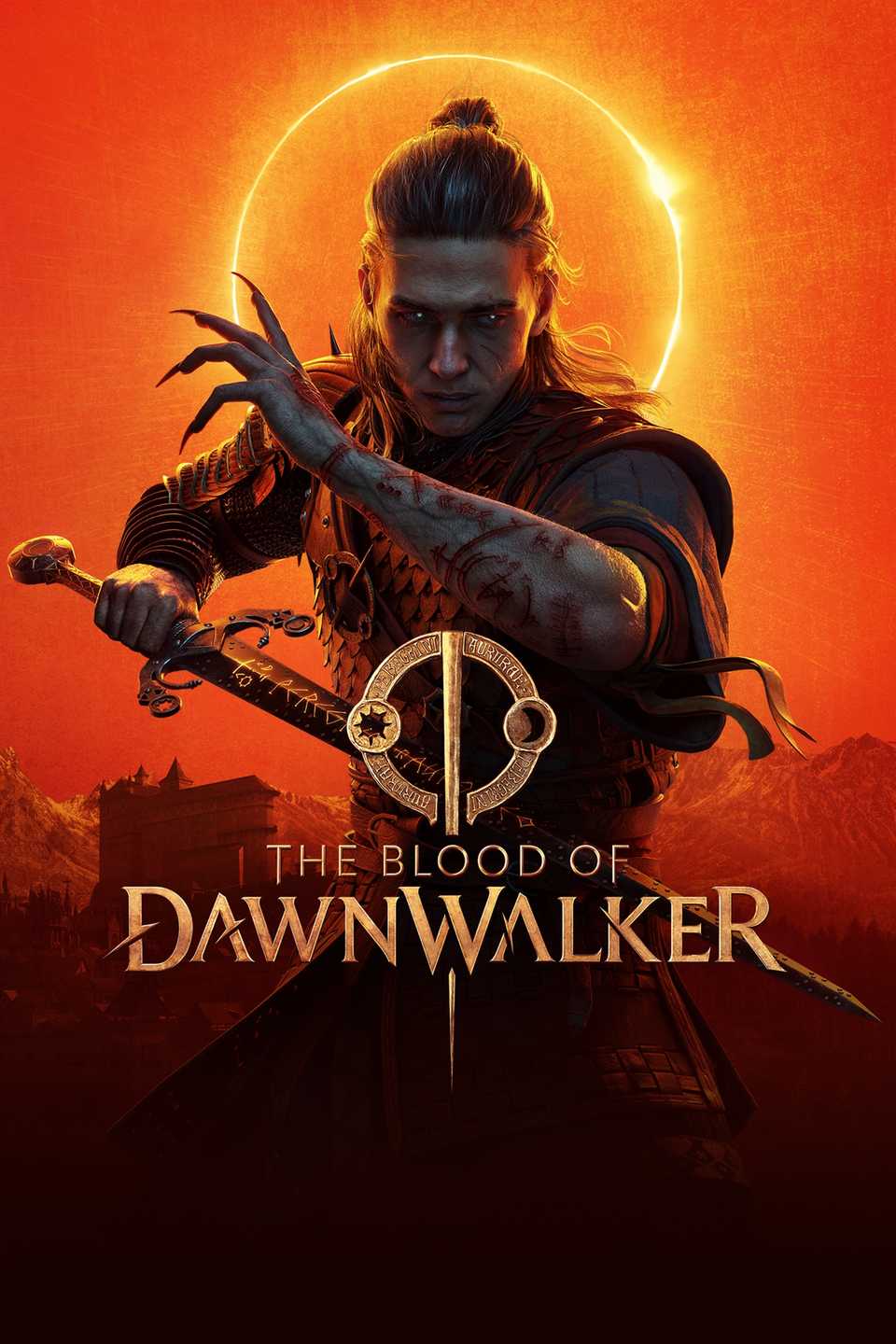
- Released
-
September 3, 2026
- ESRB
-
Mature 17+ / Blood and Gore, Intense Violence, Nudity, Strong Language, Strong Sexual Content
- Developer(s)
-
Rebel Wolves