


The physical vs. digital game debate is back in the spotlight, thanks to ex-PlayStation boss Shawn Layden. PlayStation 6 rumors and speculation have taken up a lot of space recently, with one of the biggest questions being whether the console will support physical games or not. Sony hasn’t really revealed any specific details about the PlayStation 6 yet, but one thing is certain: the console is waiting on the horizon. When it will arrive remains a mystery, and it could prove to be one of the most important releases that the industry has seen, because it could completely redefine what game ownership actually means.
This isn’t the first time that Shawn Layden has shared his thoughts on Sony ending physical game discs in the next few years, but he’s recently offered a deeper look inside his views on the subject. A lot of fans, including myself, have grown increasingly worried about the seemingly inevitable end to physical games. Building game collections has been a huge part of gaming culture over the years, and Layden’s words echo the importance of this hobby.
In the Wake of the PS6’s Impending Arrival, Shawn Layden Understands the Importance of Owning What You Buy
Layden recently spoke with The Expansion Pass podcast about the road that Sony and PlayStation are currently on. One of the most interesting parts about the interview is that Layden is well aware that dedicated physical game collectors are now a minority within the gaming community, but he believes that this niche is still an important part of the ecosystem that Sony shouldn’t ignore.
Digital games have some undeniable benefits, like being better for the environment, but getting the opportunity to actually own a copy of a piece of art that you love isn’t just a gaming thing; it’s a human thing. People love to collect keepsakes for sentimental reasons, which is what makes physical media so powerful. The importance of physical media has been overlooked as the digital world continues to encroach, but Layden’s comments are at least reassuring that some industry higher-ups understand why it’s special to certain corners.
If you can’t sell a thing, that means you don’t own a thing. And if you don’t own it, then what are you buying? If you’re buying access, that doesn’t quite sound as sexy, to be honest.
I agree, Shawn; it isn’t as sexy. I know there are tons of people out there who haven’t bought a physical game in years, and that’s genuinely okay. Finding enough space for games and dealing with copies being sold out at the local game store can be a pain sometimes, but there are plenty of people still out there who find it worth the hassle.
Layden’s question of, “If you don’t own it, then what are you buying?” is the cornerstone of the physical media argument. If you buy a game, then it should be accessible no matter what. A completely disc-free future means that games can be delisted and deleted from libraries without warning, making it a nightmare for game preservation. Physical disc fans would argue that if a game can’t be preserved outside a company’s oversight and maintenance, then it isn’t truly owned. The formation of groups like Stop Killing Games is a direct response to publishers shutting down servers and leaving titles useless, despite gamers paying for the product.
Even though it isn’t a PlayStation exclusive, GTA 6‘s physical version has been spotlighted in this debate about what qualifies as ownership. The box is simply decorative, since the inside contains an access code instead of a disc.
Access Is Different Than Ownership
Over the years, the industry has shifted away from what physical media collectors would define as “true ownership” and has adopted a pay-for-access model. On top of that, certain games requiring constant online connection have added fuel to the fire, since it makes it easier for companies to shutter games. That model doesn’t even keep physical copies safe. For example, I can play Jak and Daxter on my PS2 right now, despite the game being 25 years old, but I can’t play The Crew, even if it’s on the disc, because the always-online servers were killed by Ubisoft in 2024. Of course, not every modern game requires a constant internet connection, though.
The PS6’s Most Influential Change Likely Won’t Have Anything to Do With the Actual Hardware
- Sony has confirmed that physical disc production for new games will stop in 2028.
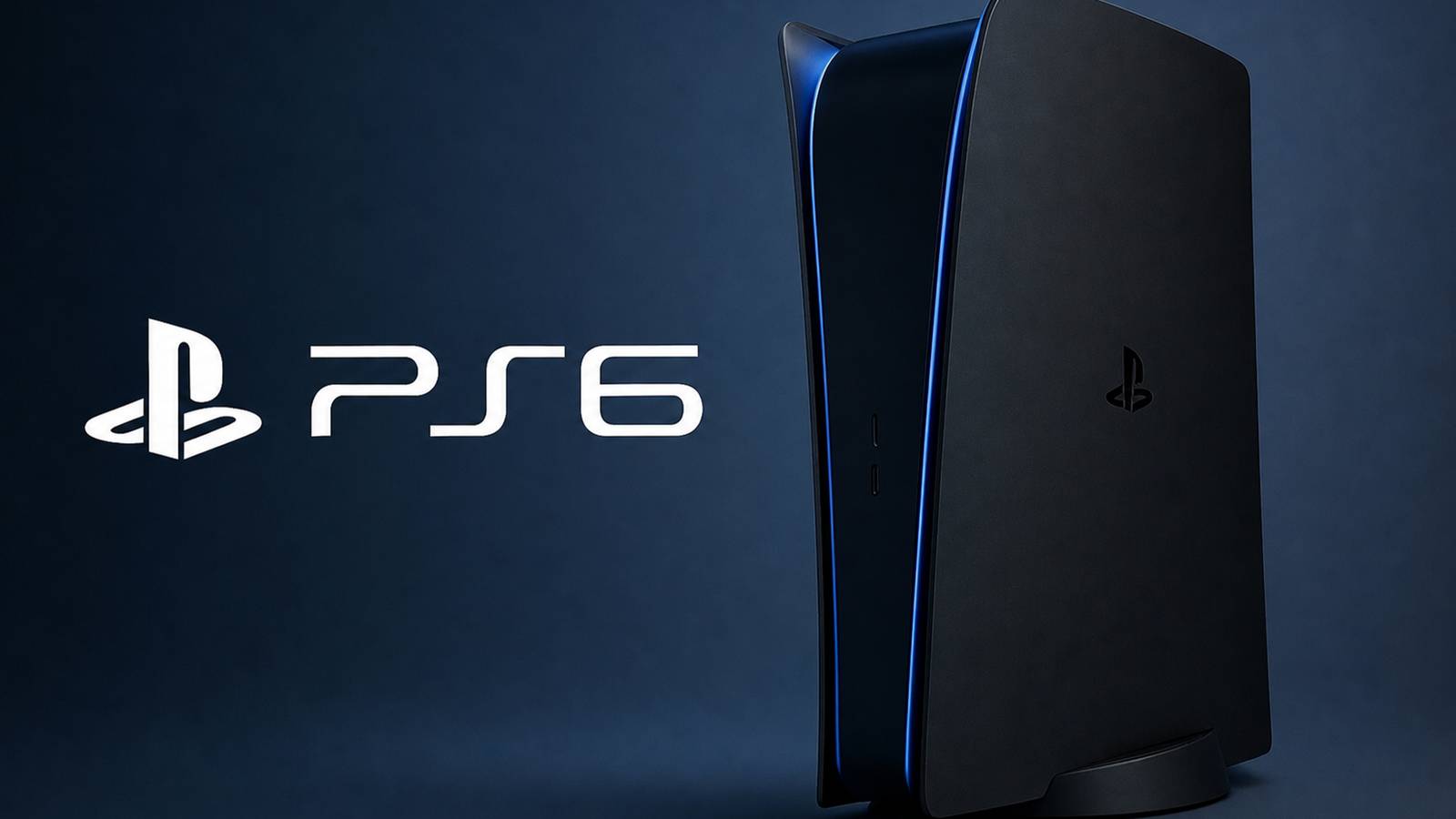
- Rumors suggest that the base PS6 won’t feature a disc drive.
- Reports suggest that the PS6 could arrive by 2028 or 2029.
It’s important to note that the PS6 potentially missing a disc drive wouldn’t be a first for Sony, since the PS5 Digital Edition has already embraced digital-only gamers. So far, all we have to go off of is rumors about the PS6 details, but a 2028 console launch alongside disc production ending in the same year would make sense. I’m merely speculating, so nothing is actually a given until Sony makes an official announcement about the console’s details.
If the PS6 opts for a completely disc-free console generation, its influence will reach far beyond how good the graphics are. A future where no new PlayStation games are printed on physical disc is going to be a massive turning point for gaming culture, for better or worse. What counts as game “ownership” has already been evolving for the past few years, but the PS6 era is bound to be even looser with that definition.