



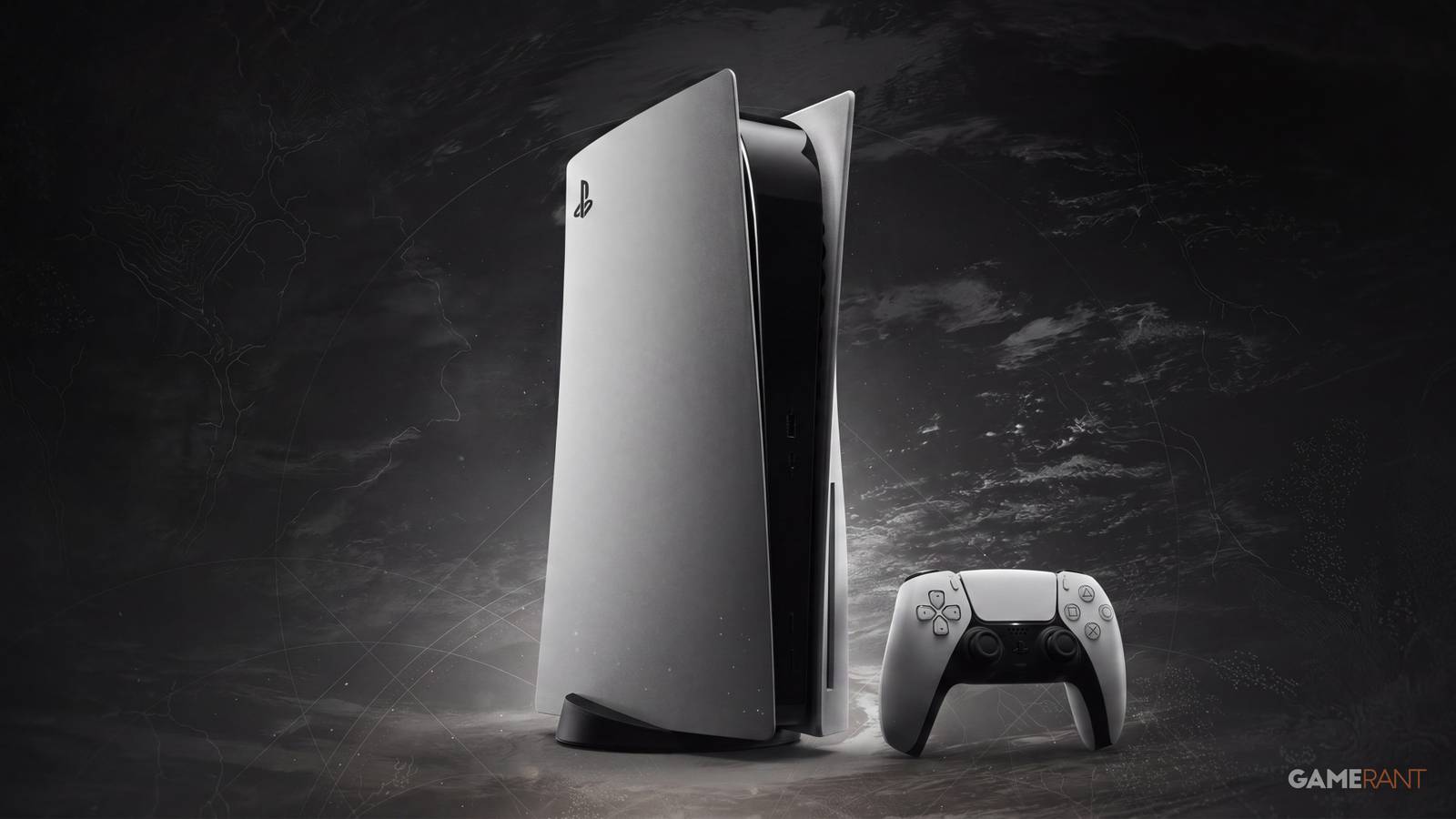
Physical discs have become one of those things where I almost wish the business side of things made less sense than it does. I don’t want PlayStation, Xbox, Nintendo, or anyone else looking at physical games like some outdated thing the industry can simply outgrow, because there’s still a real difference between buying a game and owning one that you can actually hold. But with PlayStation reportedly looking at the end of disc production, the most frustrating part of the whole thing is how easy it is to understand why a company would get there.
Players should be worried about that, because PlayStation being right about physical discs would be far worse than PlayStation simply making a bad call. A bad call can be reversed, but a complete shift in the market is much harder to fight, and console gaming has been moving toward this exact future for years now. Digital games are easier to buy, easier to store, easier to discount, and easier for platform holders to control, and players have spent a long time proving how much convenience matters by buying into it. So, if PlayStation sees physical discs as something the business can live without, the real problem is how much of the industry already seems prepared for it.
PlayStation May Be Right About Physical Discs, and I Hate That
The uncomfortable truth is that physical games don’t carry the same importance and value they used to. They still matter, and I would never argue otherwise, but they are no longer the default way many players buy games. A lot of players have already built digital libraries that are bigger than anything they ever had sitting on a shelf. I mean, with the Steam Summer Sale going on right now, I bet more than half the people reading this have probably already padded their backlog with even more games.
Put the consoles in the correct order.
Honestly, it’s easy to see why. Digital games can be bought in seconds, downloaded ahead of launch, and played the moment they go live. You don’t have to drive anywhere, wait for a package, swap discs, or worry about a store running out of copies, and when a massive sale goes live, a digital purchase is usually the most convenient option in the room. I get why players choose it, because I do the same thing.

There are plenty of times when buying a digital game simply makes more sense in the moment. The problem is that all those little moments just give the industry one more reason to care less about physical media. Every digital deluxe edition, preload, limited-time storefront sale, and account-bound library makes the disc feel a little less necessary to the average player. Physical collectors may still care enough to argue the value of physical discs, but companies are always going to look at what players actually buy more than what they say they value.
The uncomfortable truth is that physical games don’t carry the same importance and value they used to.
From PlayStation’s side, the business argument just isn’t that hard to understand. Physical discs cost money to manufacture, ship, stock, and sell through retailers. They also leave room for used games, trade-ins, lending, and a resale market that PlayStation doesn’t fully control. Digital games keep the entire transaction inside PlayStation’s own ecosystem, and honestly, that’s the future any major platform holder would probably prefer. It means more control over pricing, sales, storefront placement, refunds, licensing, access, and long-term availability. And while players may not like how much power that gives PlayStation, the truth is, the company wouldn’t be alone in wanting it.
The harder part to admit is that players have helped make that future look more realistic. The industry didn’t get here through one dramatic decision. It got here because, at some point, it became normal to buy digitally. It got here because, these days, convenience trumps just about anything. I mean, maybe I’m weird for saying this, but I wouldn’t eat well if my wife weren’t around, because I prefer the convenience of fast food and microwaveable Hot Pockets. The same is true about video games, as much as I hate to admit it.
At one point in my life, I told myself I would always buy games physically because I saw their value, but I’ve since changed. Now, I much prefer to sit on my couch and click “add to cart” than to drag the cart itself around. Again, physical games are still worth defending, but the argument gets weaker every time myself and many others prove they are no longer essential to how most people play. To some, it sounds like PlayStation isn’t reading the room, but the harsh reality is that the room has already changed.
Losing Physical Discs Would Still Be Bad for Players
PlayStation being right about physical discs would still be bad news for players, because a decision can make sense for a company and still make gaming at large much worse. Physical games give players options that digital storefronts have never fully replaced. They can be bought used, traded in, lent out, borrowed, collected, and found years later after a digital listing disappears. Even players who rarely buy physical games benefit from those options existing. Used copies put pressure on prices, retailers create competition, old discs keep games alive outside the storefronts that may eventually stop caring about them. A physical copy sitting on a shelf might not feel essential now, but it becomes a lot more important when the digital version is gone.
Now, I much prefer to sit on my couch and click “add to cart” than to drag the cart itself around.
This is where an all-digital future starts to feel a lot more concerning. Once discs matter less, players lose leverage. They lose one more way to shop around, one more way to preserve older games, and one more way to own something without depending entirely on an account, a license, or a storefront that can change whenever the company behind it decides to.
Of course, modern discs aren’t perfect. Plenty of games still require patches, downloads, and online features, so physical ownership isn’t what it used to be. But that doesn’t make discs pointless. It means players have already lost ground, and losing even more of it shouldn’t be treated like progress just because digital games are easier to buy.
PlayStation may be right that physical discs are becoming less central to console gaming. The average player may already care more about convenience than ownership, even if no one likes saying it that plainly. And if that’s true, I’m telling you right now that we should all be worried, because, again, we aren’t losing physical games in one dramatic moment, as dramatic as it has been. Physical games are simply becoming easier for the industry to abandon every time players prove they can live without them.