







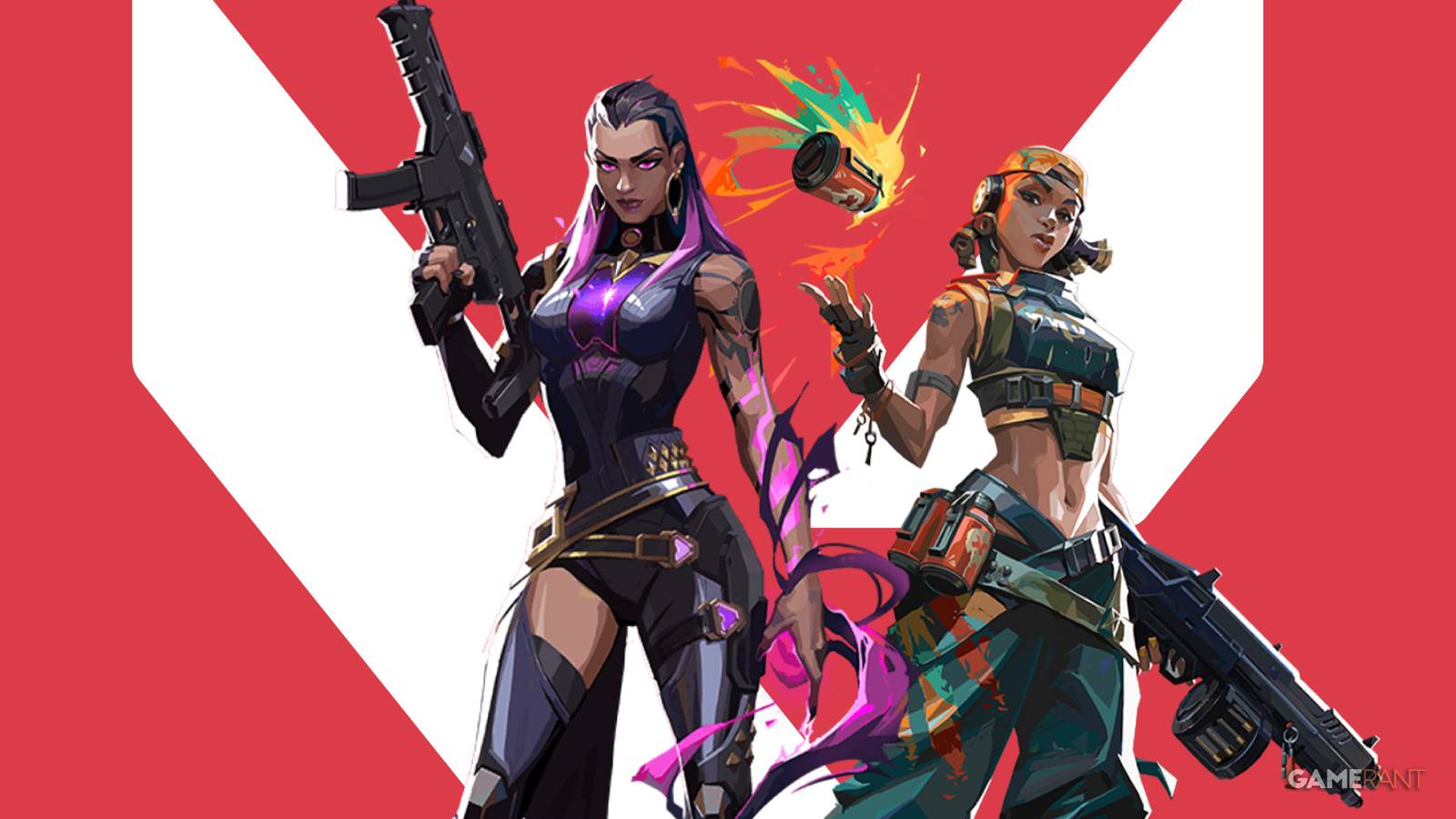
Riot Games has stated that it “would not and cannot” brick players’ PCs, after a number of people began claiming that the company’s Vanguard anti-cheat software was disabling their devices. The developer behind the incredibly popular League of Legends and Valorant, Riot Games’ Vanguard anti-cheat system is intended to combat increasingly sophisticated cheats and cheaters, particularly hardware-based methods used to bypass traditional anti-cheat protections.
On May 19, a Vanguard update seemed to be blocking DMA, or direct memory access, devices using SATA or NVMe firmware. Claims began circulating that Vanguard was bricking PCs, and humorous images of a “red screen of death” encountered by players began appearing on social media. Riot Games, perhaps unintentionally, fueled the rumors by posting an image two days later showing a collection of cheating devices with the caption “congrats to owners of a brand new $6k paperweight.” Some users began alleging that the Vanguard update had rendered DMA firmware unusable, even after uninstalling the anti-cheat software. Others said that they began to receive instability warnings about an input-output memory management unit, or IOMMU, security feature.
New Study Claims Call of Duty Players Search For Cheats More Than Other Top Online Games
A study suggests that Call of Duty players are more likely to seek out cheats than players of 15 other major online multiplayer games.
Riot Games Says Vanguard Is Not Bricking PCs
In response to the rumors spreading online, Riot Games responded, stating on Twitter that “Vanguard does not damage hardware or disable your devices.” The paperweight joke had specifically been referring to cheating hardware no longer functioning in Valorant. The studio further explained that its latest Vanguard updates are intended to enforce standard security protections like IOMMU on accounts that are detected using DMA-based cheats. These protections prevent unauthorized memory access by cheat devices but do not permanently disable PCs or components. Any hardware faults or instability experienced by users, clarified Riot, are expected behavior of those security protections and not deliberate damage caused by Vanguard. “We would not, and cannot, impact your PC’s functionality in any other fashion.”
In the Twitter post, the developer further clarified that disabling IOMMU would allow DMA devices to function normally again outside of Riot’s games. However, IOMMU protection will still be required to launch Valorant. Furthermore, normal players will not experience any hardware-related issues, as the update only affected DMA-based cheating hardware. In a second, FAQ-style post, Riot reiterated that “no hardware is being damaged and no other functionalities are impacted.” The situation is reminiscent of similar claims that surfaced in 2024, when some users alleged that Vanguard updates were causing PCs to fail. At that time, Riot had stated that it was unable to verify reports that the anti-cheat software was bricking computers.
The situation has sparked a wider discussion about the increasingly aggressive measures being taken to combat cheating in video games. DMA hardware, in particular, has become a concern for developers since it can directly access system memory to bypass many traditional anti-cheat systems. Riot maintains that Vanguard is one of the industry’s most advanced anti-cheat systems, and many players welcome the company’s strong stance against cheating. At the same time, though, there are concerns about kernel-level anti-cheat software, potential privacy issues, and the degree to which developers are interacting with player hardware to achieve their ends.
Scratch & Peek

Identify the cover art while scratching off as little foil as
possible.
Identify the cover art while scratching off as little foil as possible.
EasyMediumHardPermadeath
Despite the periodic controversy about Vanguard and other anti-cheat software, Valorant continues to be a major success for Riot. The first-person tactical shooter has maintained strong player numbers around the world since its launch in 2020. The game receives regular seasonal updates, new agents, and anti-cheat improvements, and it maintains a healthy esports presence.

- Released
-
June 2, 2020
- ESRB
-
T for Teen: Blood, Language, Violence