

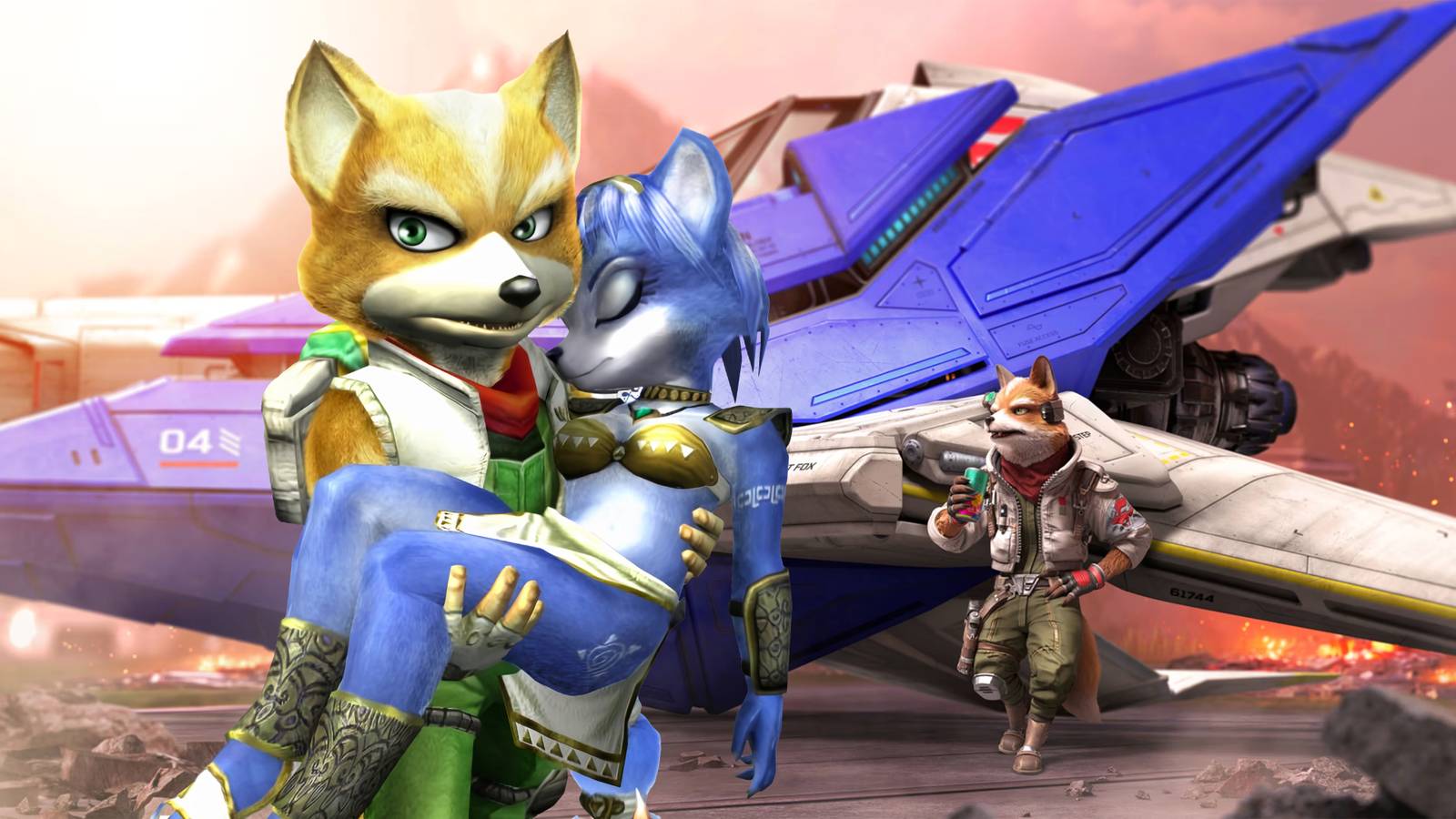



As promised, Nintendo dropped a major free update for the Switch 2 Star Fox remake, bringing with it a restoration of a popular game in the beloved franchise that launched on the GameCube back in 2002. Star Fox‘s new additions aim to boost replayability, giving fans of the space-themed franchise something to do if they’ve already taken on the main story. In my opinion, new content can never be bad. Beyond replayability, updates like these re-establish important IPs, reminding players that these games exist and are still just as great, even without a new original mainline release.
In an oversaturated market filled with new releases every day, it is hard to maintain relevance without constant new releases. Somehow, despite it all, Star Fox has managed to break the rules, proving to gamers that it can maintain its importance in the gaming landscape with just a few updates and a welcome game restoration. It is a strong sci-fi entry to the Switch 2 that cannot and will not be shoved into a corner, refusing to go unnoticed.
Nintendo Is Effectively Rebuilding Star Fox’s Presence
-
-

-


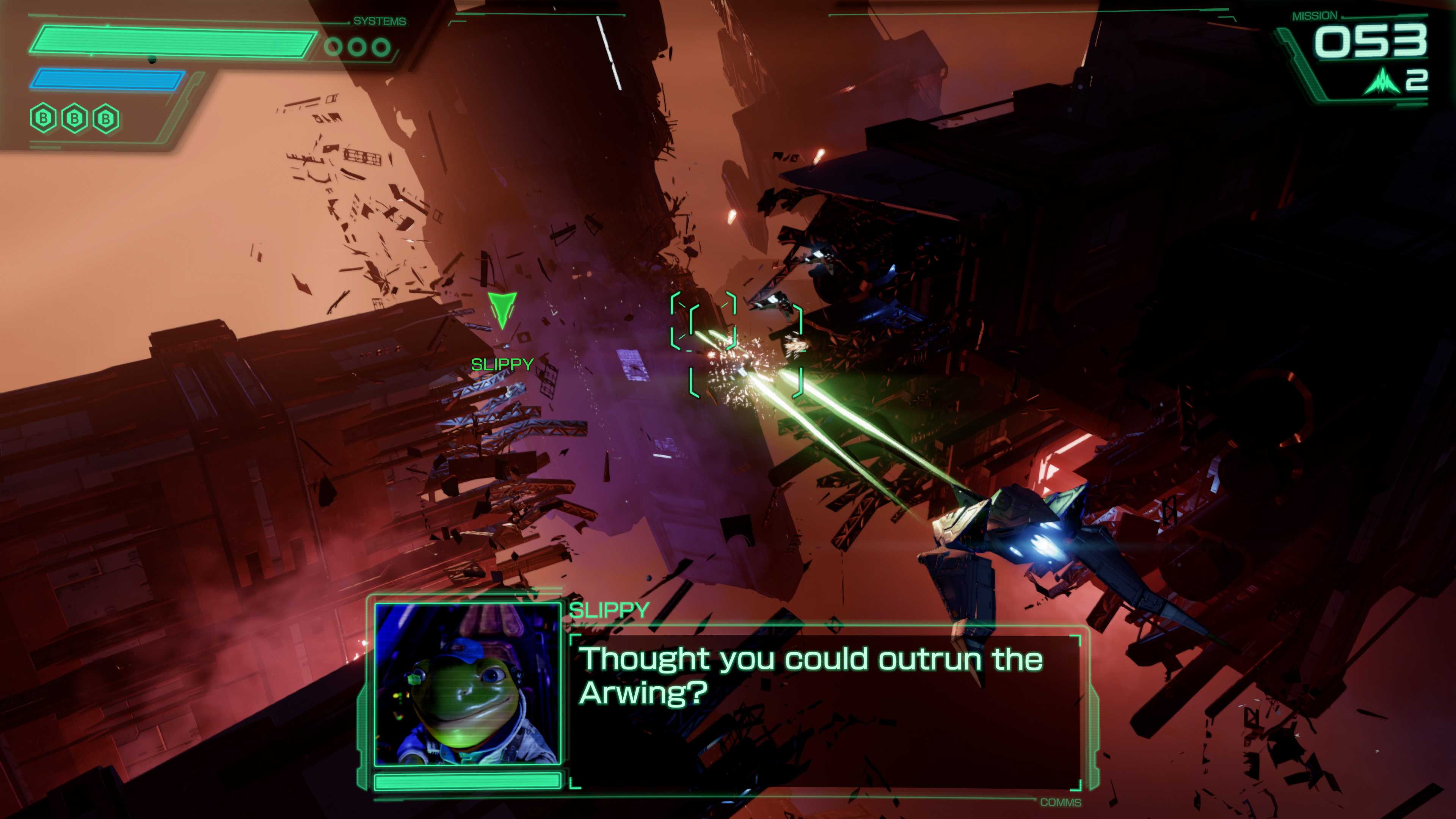
Following its launch back in June, Nintendo announced a major free update coming to Star Fox that includes new content to enjoy, especially for fans of the Battle Mode. On September 29, Star Fox got a free Switch 2 split-screen Battle Mode, an exciting inclusion that makes the game more replayability. The update includes four-player local play on a single Nintendo Switch 2 console through the online battle mode settings. Additionally, fans of the franchise will also gain access to online team battles and three brand-new stages.
Who’s That Character?

Identify the silhouettes before time runs out.
Added stages include Katina, which has both teams fighting over platforms equipped with active lasers that target opponents, Sector X, where players will need to dodge waves of energy as they destroy asteroids while fighting off the other team. Finally, Venom requires players to scan data modules as they activate, then escape the area following a destructive surge of energy that pulsates outward, lest they be hit and destroyed.
These free updates are meant to pull new and older users back into the game, giving them something to do even if they have completed the main mission. It also fosters a sense of healthy competition among friends and strangers, utilizing that online team battle mechanics to its fullest.
In addition to new updates made to Star Fox on Switch 2, Star Fox Adventures was shown some major love, joining the Nintendo Classics gaming library. The game, which was released on the GameCube in 2002, was added to the subscription library of over 150 retro titles that can be emulated through the Nintendo Switch Online service. The library features titles from Nintendo, Capcom, Konami, and beyond, including Balloon Fight, Donkey Kong Jr., Metroid, Mega Man 2, Castlevania 2: Simon’s Quest, Pac-Man, and so much more.
-

-

-

The catch? Prospective players need a Nintendo Switch Online membership to play the games, so while the Switch 2 update was free, the Star Fox Adventures addition is not. Despite this, though, the membership seems well worth the trouble, given that the catalog includes an impressive number of titles that shaped the gaming landscape today and can be quite hard to play today, given most people own the latest consoles without emulation capabilities. Having some of these older titles dusted off and rendered in crisp high-definition on a modern-day console.
All of these updates to the existing Switch 2 game prove that Nintendo is effectively rebuilding Star Fox‘s presence from both ends without announcing a new game. To put that into perspective, the first Star Fox game, aptly named Star Fox, was released all the way back in 1993. Despite all the time that has passed, gamers still know and love Star Fox, even in 2026. New fans are cropping up every day, and the fandom keeps growing.
The franchise is being established as a legacy IP, without even releasing another game, which is pretty impressive. This is especially interesting when the last original main-line title for Star Fox, Star Fox Zero, was released in 2016. Of course, fans were given a Star Fox remake, but the content of the game built upon the original, rather than introducing new ideas. Nintendo often establishes IP relevancy by launching original games or titles that serve as a spin-off, like Metroid Ravenous or Mario Tennis Fever. With the company’s usual MO in mind, it is interesting to see how Star Fox has remained relevant, especially in a gaming landscape oversaturated with options.
When It Comes to Re-Establishing Older Titles, New Original Releases Aren’t Always the Answer
-

-
-

When older titles are being modernized, and others are being restored, like what we see with Star Fox, these moves from big gaming companies start to look less like nostalgia and more like groundwork. This means establishing a title’s relevance without the ever-present crutch of nostalgia, focusing instead on building a legacy that works even without the introduction of original titles. From Nintendo, audiences have seen this by way of Pikmin 4‘s Switch 2 edition.
The game was ported with some visual enhancements, and a Dandori Academy mode was added to encourage players to tackle specialized timed scavenger hunts. These editions offered fans more out of a game they probably already loved, while re-establishing Pikmin 4 and the Pikmin franchise as something worthy of a playthrough. This is a go-to move for Nintendo when porting titles on a slew of the company’s consoles, from the Wii U to the Switch 2. Add a few new features while still keeping the DNA of the game virtually the same.
-
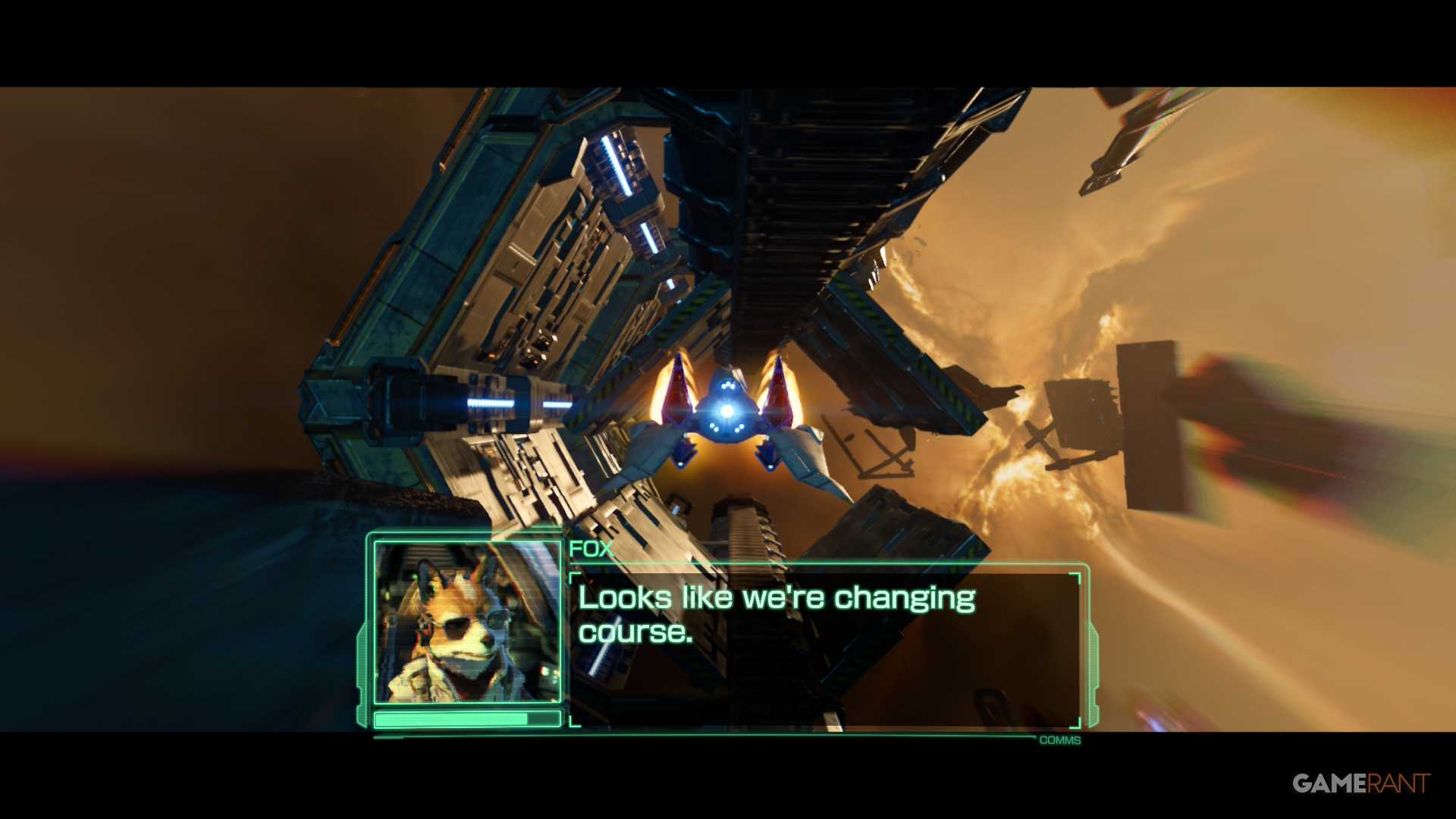
Warp Gate Cutscene in Star Fox on Switch 2. Image via GameRant; Source: Nintendo -
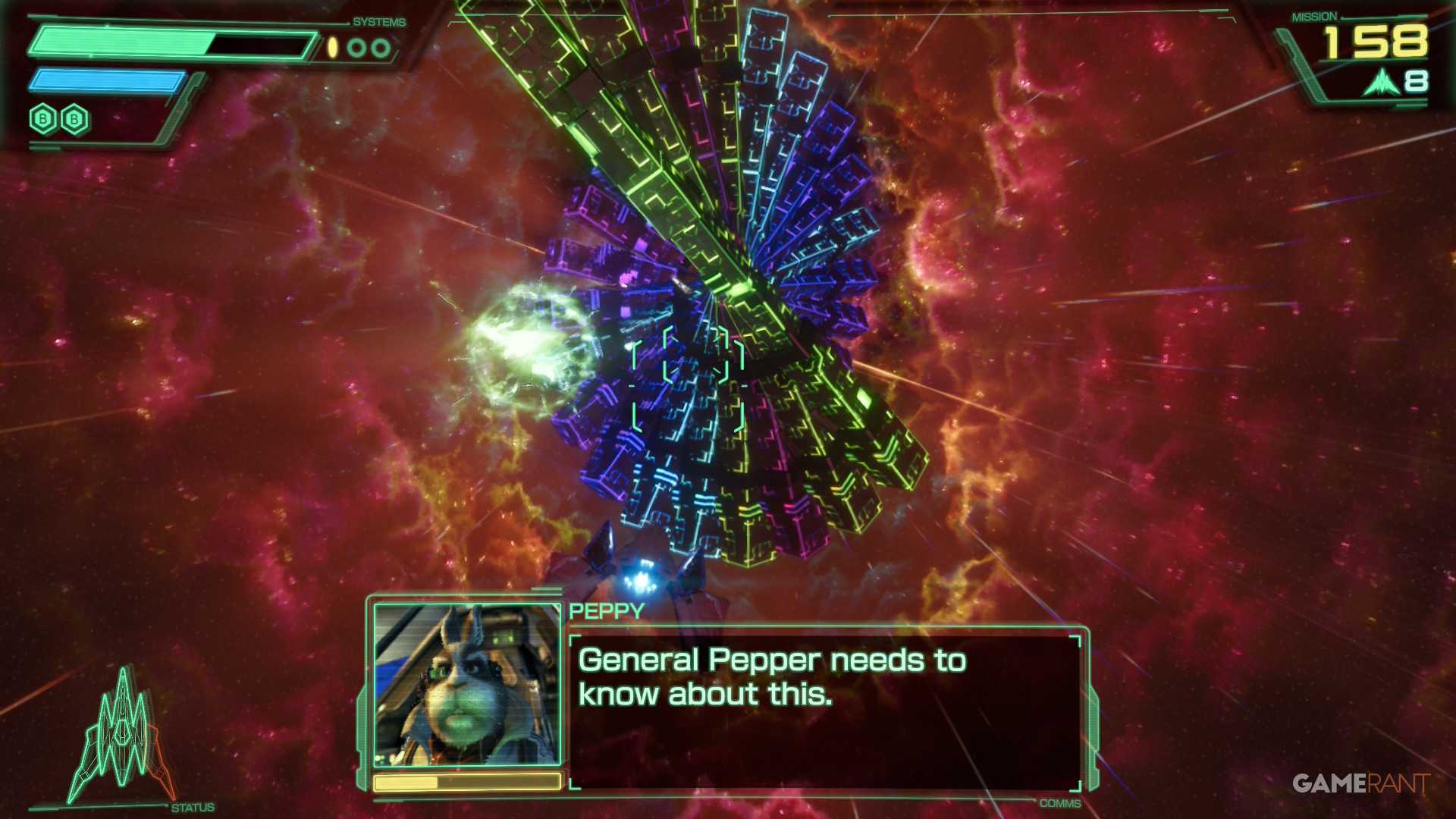
The warp zone in Sector X in Star Fox on Switch 2. Image via GameRant; Source: Nintendo -

Many companies also rely on remakes to re-establish a franchise, rather than launching an all-new game with an original cast of characters and plots. This is primarily because remakes are extremely lucrative and usually go over well with both new and longtime fans, if done correctly. Time and time again, Capcom is following this playbook, with no end to the remake train in sight. Resident Evil is an especially compelling example of this, as Capcom has chosen to focus primarily on remakes, while simultaneously releasing a new mainline game every once in a while. For example, Resident Evil Village, a new story that is tied to 2017’s Resident Evil 7, was launched in 2021.
It took Capcom a few years to launch a brand-new title; however, Resident Evil 2 was released between the two games in 2019, re-establishing the franchise’s legacy while offering fans both old and new something to do while a new mainline game was being developed. The game acted as a placeholder until new titles were made, but ended up being one of the best-selling remakes Capcom had released until the Resident Evil 4 remake came along. It set the stage for original mainline titles, cushioning their release with a game that couldn’t possibly fail.
I believe the thought process was that Capcom wanted something foolproof to launch ahead of Resident Evil Village to remind lovers of the survival horror franchise what Resident Evil once was and how, despite a lack of original releases at all times, the franchise was and is iconic. The same formula is still being followed to this day, with Resident Evil Requiem following up the massive success that was the Resident Evil 4 remake. With Code Veronica, aka Resident Evil Veronica, getting the remake treatment next, it is likely that Resident Evil 10 is sure to follow within the next few years. Resident Evil Veronica is sure to ease the next original title in the franchise into the gaming world, just like the remakes before it.




- Released
-
June 25, 2026
- ESRB
-
Everyone 10+ / Fantasy Violence
- Developer(s)
-
Nintendo
- Publisher(s)
-
Nintendo
- Multiplayer
-
Online Co-Op