






A November 2026 survey of games industry professionals has illuminated the more obscure corners of this space, and paints an interesting picture of the future. Prominently featured in this vision of future generations is, surprisingly, the Steam Machine, a living-room-friendly PC from Valve, the company behind Steam and the Steam Deck.
GDC (Game Developers Conference) performs a large-scale survey each year, and the results for 2026 are, in many ways, fascinating. Take the shifting trends in game engines, for instance: GDC reports that third-party engines like Unreal Engine 5 and Unity are being used slightly less, while proprietary engines are on the rise. The results also issue sobering reminders, like this figure: 34% of survey participants were laid off in the past two years. The survey also includes information about developers’ plans for platform-specific development. Personal computers still lead in this space, with 81% of participants saying that they are deliberately designing their games with PC in mind. Following PC development rates are PS5/PS5 Pro (45%), Xbox Series X|S (37%), and Steam Deck (32%). As for future-gen consoles, only 10% of developers reported building projects for the next PlayStation, and only 8% are building for the next Xbox. Beating out both of them at 21% is, surprisingly, the Steam Machine.
Valve Seems To be Dominating the Future-Gen Space, but Not for the Reason You Might Think
The Steam Machine is a bit of an odd duck. Despite looking like a sleek modern console, it’s actually a gaming-optimized computer. It’s not a restrictive ecosystem like the PS5, Xbox Series X|S, or Nintendo Switch 2, but instead runs SteamOS, a Linux-based operating system derived from Arch. What this means, plainly, is that you can do a whole lot more with the Steam Machine (or Steam Deck, for that matter), than with just about any other pre-built gaming device. SteamOS is open-source, widely adopted, and extremely stable—it’s also a big reason why the Steam Deck is still considered better than other, Windows-based handhelds, despite often not being as powerful.

Choose the game with the higher OpenCritic rating.
Sign in to claim your place on
the leaderboard!
But while there’s plenty to geek out over on the software front, SteamOS itself probably isn’t the main reason why developers are more honed-in on the Steam Machine compared to other future-gen platforms. For one thing, the Steam Machine is effectively just a gaming PC targeted at console players, so with 81% of developers targeting PC for their future releases, it’s not surprising that the Steam Machine would get some runoff, as it were. And with SteamOS being open-source, whereas the OS for the PS6 or Microsoft’s “Project Helix,” will run on proprietary, unreleased operating systems, it’s much easier to optimize for. Studios need a dev kit if they want to make games for PS6 or the next Xbox, but they need nothing of the sort for the Steam Machine.
The GDC report refers to the Steam Machine as “the unreleased Steam Machine,” although this is likely a timing-related error: the Steam Machine only released in June 2026, and no Steam Machine 2 has been announced. The “unreleased Steam Machine” that 21% of developers reported targeting is almost certainly the device that launched in June 2026.
Those factors can explain away some of the Steam Machine’s prominence in the GDC report, but the numbers are striking nonetheless. With more than twice as many developers focusing on Steam Machine development than on PS6 development, we can reasonably infer that the Steam Machine isn’t viewed as a novelty device by developers. This is a far cry from the public perception of the original 2015 Steam Machine, which was more or less considered a non-entity upon launch.
It’s not overshadowing current-gen consoles in terms of developer attention, but this could change over time. The PS5 and Xbox Series X|S both have dramatically larger install bases than the Steam Machine, but they’ve also been around for much longer (before the boost that the Steam Deck gave the casual PC gaming scene, I might add). And the times, they are a-changin’.
The Steam Machine Could Still Outrun Traditional Consoles Over the Next Few Years
-
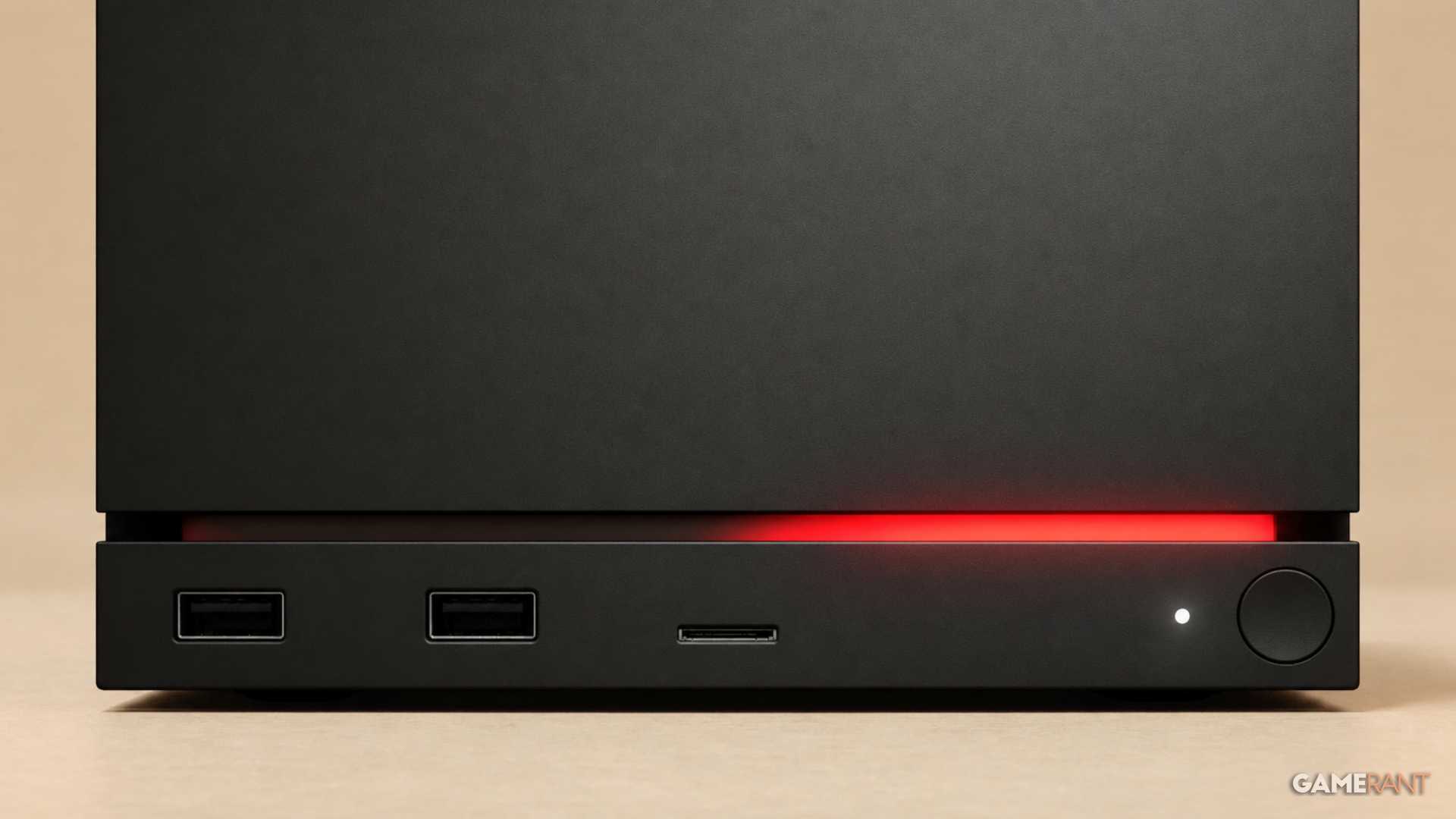 Image by GameRant | Source: Valve
-
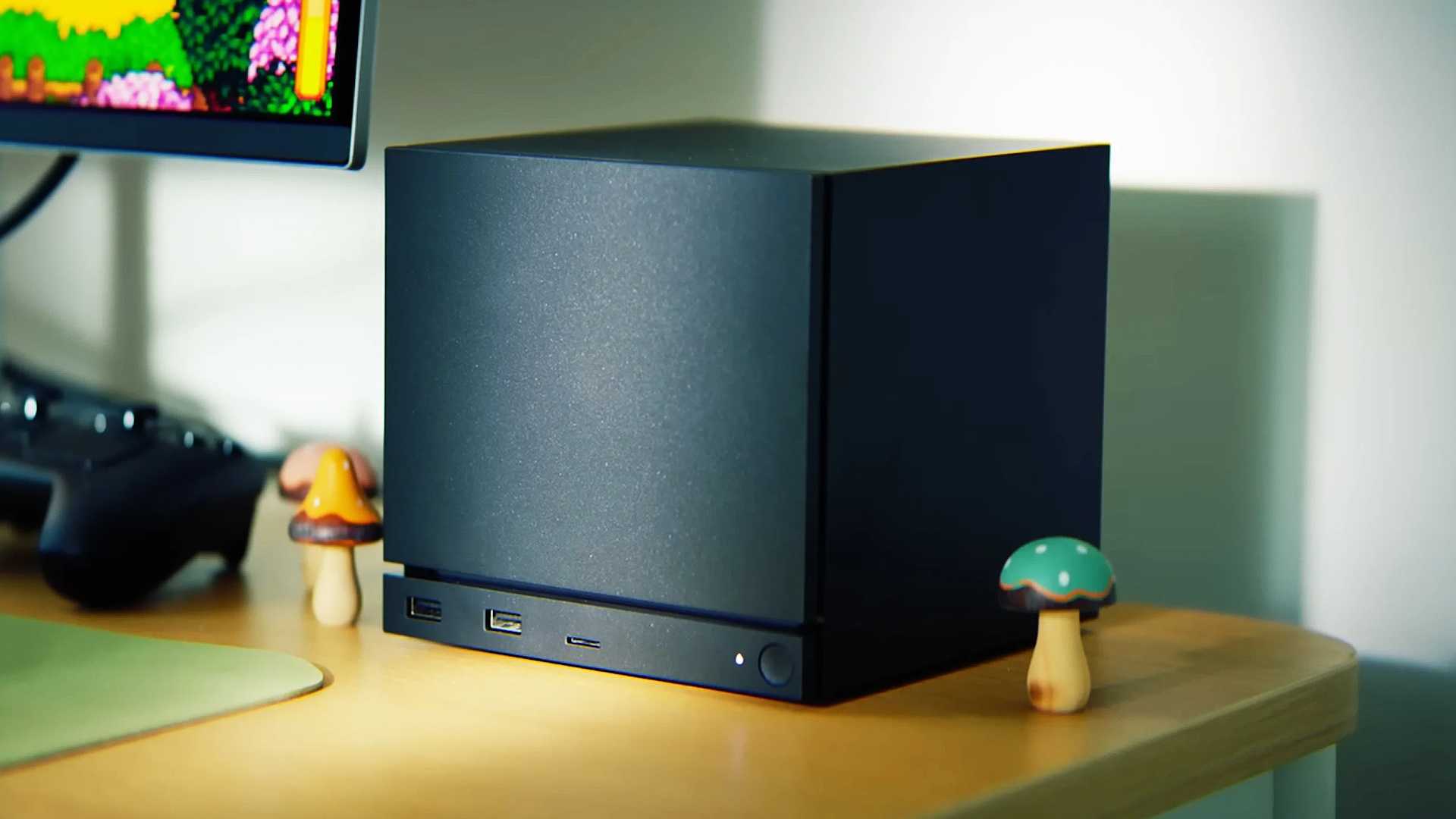 Image via Valve
-
 Image via Valve
When the Steam Machine was first announced, I was eager to share my thoughts about it. Maybe I was a little bit too eager, as I expected that the Steam Machine would cause a much greater disruption in the console market than it actually did. Looking back, this isn’t so shocking. The PS5 has sold over 100 million units as of November 2026, and the Xbox Series X|S has sold nearly 40 million units in the same time period. Almost everyone interested in current-gen console gaming is already covered. An eye-watering price tag of $1,049 certainly didn’t help the Steam Machine, as this made it less economically appealing during an era where, let’s face it, a lot of people are economically struggling.
But for better or worse, that $1,000+ price tag is probably going to become the norm during the next console generation. The PS5 Pro is already $899.99, and the combination of soaring RAM costs and aggressive inflation means that this might still be a steal, as hard as that is to believe. It’s extremely unlikely that the PS6 will be cheaper than the current cost of the PS5 Pro. And as always, the future of Xbox remains frightfully uncertain. Amidst these skyrocketing prices and disillusionment with the unpopular business practices of Sony, Microsoft, and Nintendo, gamers might reasonably choose to fully embrace the Steam Machine, or its successor, when they’re in the market for a new console. PC-specific perks like storefront/client choice and full desktop functionality just sweeten the pot.