





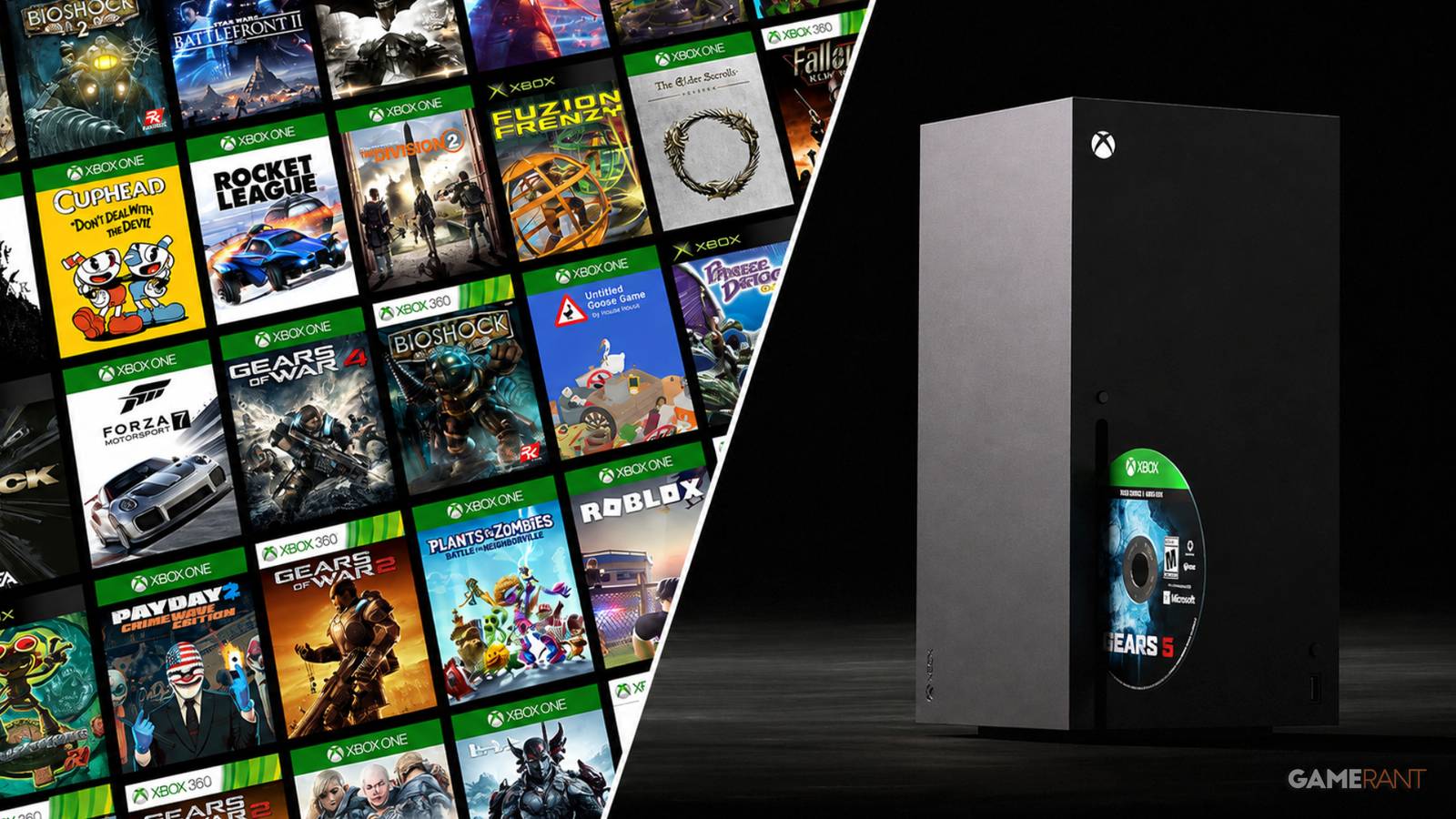
After reports about the program began circulating earlier this year, Xbox has officially confirmed its upcoming disc-to-digital feature, with Insiders getting their first opportunity to test it beginning August 31. The new system comes as Xbox continues its broader game-preservation efforts to keep existing libraries useful across consoles, PCs, handhelds, and cloud gaming.
This announcement fits Microsoft’s increasingly flexible approach to how players access their game libraries. Xbox Play Anywhere already lets supported digital purchases carry over between consoles and Windows PCs, while Xbox Cloud Gaming makes compatible games accessible on a growing number of devices. Xbox’s backward compatibility program has similarly kept games from several console generations playable on newer hardware and is even coming to PC. However, physical copies have remained more restrictive, since players typically need hardware that can read the disc, leaving physical Xbox libraries unable to take advantage of many of the cross-device features available for digital purchases.
Xbox Disc to Digital Feature Begins Testing August 31
-
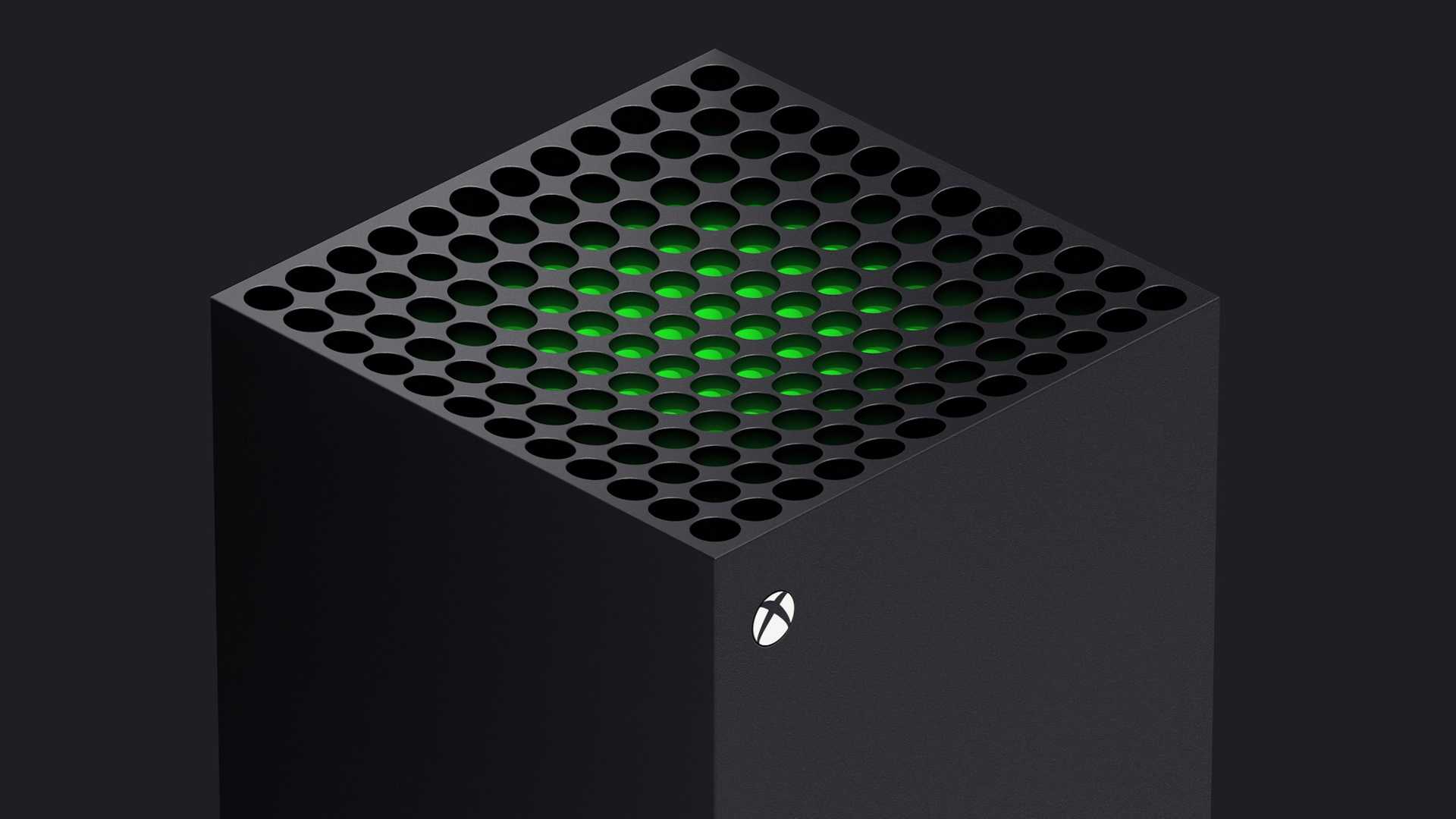 Image via Microsoft
 -
 Image via Microsoft
 -
 Image via Microsoft
Xbox announced that beginning on August 31, Xbox Insiders can insert a supported Xbox One or Xbox Series X disc into a compatible console and launch the game to receive an associated digital entitlement. Microsoft says the initial Xbox disc-to-digital catalog includes thousands of games, with more expected to be added over time. That entitlement can then provide digital benefits available to the specific title, including Xbox Play Anywhere and Xbox Cloud Gaming support. Importantly, the process does not permanently turn the disc into a free digital copy tied to one account. The entitlement remains tied to physical Xbox games, meaning players cannot register a disc, sell it, and keep accessing the digital version indefinitely.

Rearrange the covers into the correct US release order.
Rearrange the covers into the correct US release order.
Easy (5)Medium (7)Hard (10)
The big caveat is that not every physical release will work with the system immediately. Microsoft says most Xbox One and Xbox Series X games should be supported, but the starting library will not include everything, and additional titles will be added as the program expands. Previous reporting indicates publisher participation will also determine compatibility, which may explain why support isn’t universal at launch. For now, the August 31 rollout is initially limited to Xbox Insiders, with broader availability reportedly planned for the coming months, but no specific public release date has been announced.
For physical game owners, the bigger appeal may be what happens beyond the console itself. A supported disc could potentially provide access to a PC version through Xbox Play Anywhere or allow players to stream the title through Xbox Cloud Gaming when those features are available. Microsoft is essentially attempting to make physical ownership work more naturally within the wider Xbox ecosystem while retaining important advantages of discs, including the ability to lend, trade, or resell them. For former console players who have since shifted to PC, at least some of their existing physical Xbox library could suddenly become much more useful.
The feature also arrives as the industry pays renewed attention to the future of physical game ownership following PlayStation’s recent announcement that it’s doing away with physical discs. Xbox has spent years pushing toward an ecosystem where the device matters less than the player’s library, especially with the “This Is an Xbox” campaign, but physical collections have always complicated that vision. Giving thousands of discs access to digital functionality offers a middle ground that doesn’t require abandoning physical ownership entirely. Questions remain about publisher support and how smoothly the system will work in practice, but the August 31 Insider rollout should provide the first real indication of whether Xbox physical games can successfully become part of Microsoft’s increasingly digital and device-independent future.