




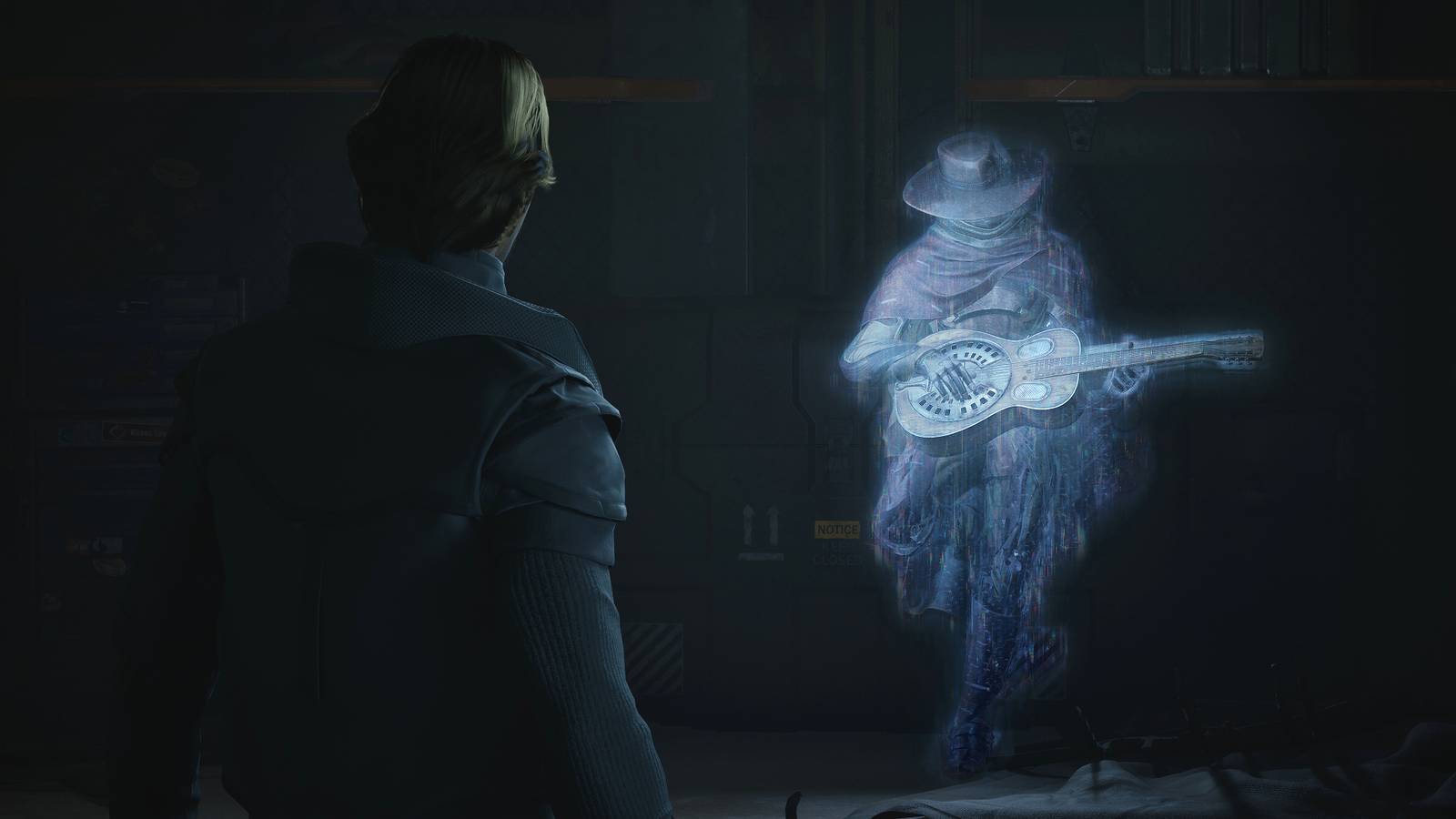
Matthew McConaughey being in Exodus was always going to be one of the easiest things to point out about the game. Archetype Entertainment could have said almost nothing else about its upcoming sci-fi RPG, and the fact that McConaughey is playing the mysterious C.C. Orlev would still be enough to get heads turning. However, his involvement also makes more sense the more Archetype talks about what Exodus is actually about.
GameRant recently attended a Future Games Show showcase briefing hosted by Archetype Entertainment and Wizards of the Coast, where they talked about some of the inspirations behind Exodus, and Interstellar naturally came up because of the game’s use of time dilation as a core mechanic. Apparently, that connection clicked with McConaughey right away, as his role in Interstellar gave him an easy way to understand what Archetype was trying to do with Exodus. Considering how much the game is building around Travelers leaving home and coming back after years or even decades have passed, it is hard to imagine a more obvious bridge between the actor and the game.
Exodus’ Time Dilation Hook Has an Obvious Interstellar Connection
Interstellar is, without a doubt, the movie most people think of when time dilation as a concept comes up. The Miller’s Planet sequence is the easiest example, since Cooper, Brand, and Doyle are only on the planet for a short time, but Romilly spends more than 20 years waiting for them back on the ship. The wave is the immediate danger, but the scene hits much harder once they get back and realize how much time is gone. Then, later on, Cooper, watching years of messages from his children all at once, drives the point home even more. In Interstellar, time is presented as something that people lose and can never get back.
Ultimately, that’s what makes Exodus‘ use of time dilation so compelling. Games have done plenty with time travel, alternate timelines, and choices that affect the future, but Exodus seems to be doing something a little different with the idea. Travelers can leave home on a mission and come back after years or even decades have passed, which makes the act of leaving feel important before anything even happens. For a choice-driven RPG, that’s a huge hook, and according to Exodus game director Chris King, Interstellar was one of the clearest reference points for how powerful that idea can be:
Interstellar is probably the most visible example of time dilation in popular media, but we put our own spin on it. And that’s kind of what we like to do is kind of put our spin on these kinds of things, take the things that we loved, take the spirit of what made them exciting for us growing up and as adults too, and bring it all together and create something fresh and new that evokes the same kind of emotions that we like in the entertainment we love.
What makes this all even more interesting for Exodus, though, is that time dilation won’t be something players are only watching happen to someone else on a screen. In the film, the audience feels the cost of it through Interstellar‘s characters, but the story is still something they are merely witnessing. Exodus, on the other hand, has a chance to make players feel some ownership over that cost, because they are the ones sending Jun out into the cluster and living with whatever time takes from him while he is gone. That could make the impact hit even harder, as the years that pass on Lydon will be part of the journey they chose to take.
Of course, time dilation is also why Matthew McConaughey’s involvement in Exodus makes so much sense beyond the obvious name recognition. In Interstellar, Cooper (McConaughey) is a man who leaves home because he believes it’s the only way to save it, and the cost of that decision is measured in years he never gets back with his children. Exodus is obviously telling its own story, but that basic emotional idea lines up closely with what Archetype is doing with Travelers, time dilation, and the people left behind on Lydon. According to Archetype general manager Chad Robertson, that connection was clear to McConaughey almost immediately:
We’ve shared that Matthew McConaughey is in the game, but that element of bringing time dilation to bear when we first had a conversation with him, he understood right away why we were interested in working with him. And so it was a really nice connection that just brought that out, and helped us drive that home in the experience overall.
In other words, for Exodus, McConaughey is more than just a famous name meant to grab attention. Interstellar already put him at the center of a story where going farther into space meant losing time with the people he was trying to save, so it makes sense that the idea behind Exodus clicked for him so quickly. There’s still plenty about C.C. Orlev that Archetype hasn’t revealed, but with time dilation sitting at the center of Exodus, McConaughey feels like a pretty natural fit.
Time Dilation Sits at the Center of Exodus’ Choice-Driven Gameplay
Player choice was always going to be a big part of Exodus, especially with so many former BioWare developers involved. For a game like this, it is not enough to let players pick dialogue options or decide how a mission ends. Those choices need to feel like they actually matter to the world, the characters, and the person Jun becomes along the way. Exodus seems to be using time dilation as one way to make that happen, because the consequences of a decision may not be waiting just a few minutes later. They may be waiting years or decades down the line. According to narrative lead Drew Karpyshyn:
We want to look at choices on a meta level, which is where we get into things like time dilation. It really helps bring home the impact. It enhances these choices you make. You can see things play out over a longer time frame when you do go on exodus. That’s what makes an exodus so important in our game, and it makes it such a big deal, right? This is why, before you go on an exodus, you want to really consider what’s about to happen. You want to make sure you’re ready. You want to make sure everything’s in place because you’re going to be gone for a long time, and sometimes you don’t always necessarily know how long you’re going to be gone, so years, decades might have passed by the time you get back and things will have obviously changed. So, you kind of try to prepare and set up contingency plans and hope things are sort of in place when you get back and the choices you made, you can see how they sort of play out over time when you do come back on an exodus.
The truth is, most choice-driven RPGs deal with consequences on a much smaller timeline. A companion approves or disapproves, a quest changes direction, a character lives or dies, or a later conversation acknowledges what happened. Exodus, however, is working with a much larger window of time, which gives Archetype a chance to make decisions feel as though they have had years to settle into the world before Jun sees the result. It will be interesting to see how far the game actually takes that once it launches, but as far as RPG concepts go, this is one of the more intriguing ones in recent memory.
McConaughey’s involvement makes more sense the longer Archetype talks about what Exodus is trying to do with time dilation. Interstellar helped popularize the idea by making it emotional, and Exodus is trying to take that same concept and put part of it in the player’s hands. Whether that works will depend on how well Archetype follows through, but with McConaughey involved, time dilation at the center of its story, and choices with consequences that may not fully play out until years or decades have passed, Exodus has a sci-fi hook worth keeping an eye on.

- Released
-
2027
- Developer(s)
-
Archetype Entertainment
- Publisher(s)
-
Wizards of the Coast
- Number of Players
-
Single-player
- Steam Deck Compatibility
-
Unknown


