





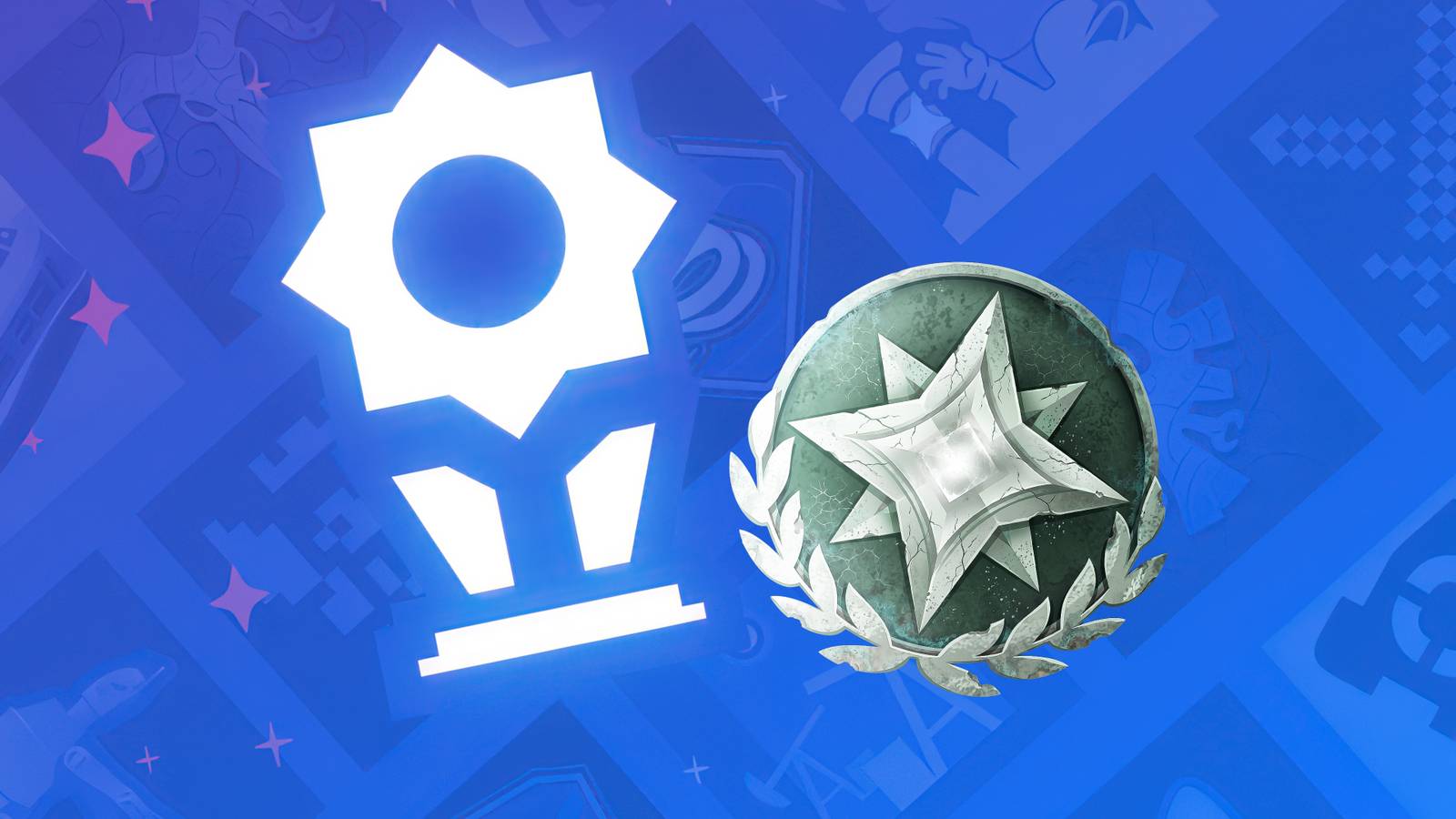
Xbox’s Mythic Achievements feel like a long-awaited addition that brings back a little nostalgia, especially for those of us who love the satisfaction of ticking off every achievement in a game. There’s definitely something special about having a clear goal to work toward and a badge to show for completing a game, and Xbox itself has acknowledged it as one of its most player-requested features. However, Steam‘s new achievement sets have caught my attention for a different reason. It offers players more flexibility in how they track their progress across DLC, game modes, and seasonal content. If you enjoy revisiting old favorites, Steam’s new achievement sets may give you another reason to return to games, even if you’ve already spent hours playing them.
I think that Steam’s new, flexible achievement sets and Xbox’s Mythic Achievements ultimately offer a different sort of satisfaction to different types of players. It’s essentially granularity vs. a single milestone: separate achievement sets can recognize accomplishments across different parts of a game’s lifespan, whereas Mythic Achievements have a clear purpose, giving completionists a tangible endpoint. And to put it into simpler terms, Steam gives players more reasons to keep coming back, while Xbox gives them a reason to say, “I’ve done it all.”
Xbox’s Mythic Achievements Reward a Different Kind of Completion

There has obviously been a huge demand for Xbox’s Mythic Achievement, and I can see exactly what’s so appealing about it. It gives players a clear goal and a definitive sense of completion, and players can earn recognition without buying expansions released after the original game. For completionists, that means finally having that endpoint to work toward, without feeling like the finish line keeps moving further along every time a new DLC arrives. I also think that there’s an old-school satisfaction of ticking off every challenge a game has to offer, and with games constantly evolving and expanding, I appreciate having a feature that feels grounded with a clear-cut sense of completion.

Put the consoles in the correct order.
Mythic Achievements also honors the hours that you’ve spent on your favorite games. Xbox has already applied Mythic status to eligible games they’ve completed in the past, including XBOX 360 titles. This makes the feature even more nostalgic, as players can revisit their profiles and discover that games they finished years ago have earned this new recognition, and I have enjoyed going back to see that Mythic badge on my older games. Gaming is increasingly focused on live-service updates and expanding content, so a feature that celebrates past accomplishments is a welcome reminder of why achievement hunting was so satisfying in the first place.
Steam’s New Achievement Sets Could Give Players More Reasons to Revisit Old Games

While I clearly appreciate Xbox’s approach to celebrating past accomplishments, I do think that Steam’s new achievement sets appeal to a slightly different side of my completionist instincts. Steam’s October 15 beta explores a more flexible way to organize achievements across different parts of a game’s lifespan, including DLC, game mods, and seasonal content. It’s an exciting prospect, particularly as I am guilty of revisiting my favorite games over and over again, even if I’ve finished the main story. Having separate achievement sets could give me fresh goals to pursue without making my original completion feel less meaningful.
It makes particular sense for modern games to continue to evolve after launch: expansions can introduce entirely new areas, characters, mechanics, and challenges, while seasonal updates can give players a reason to return months or even years later. I think that separate achievements sets could help distinguish these experiences from the base game, instead of treating every new addition as another hurdle as an increasingly lengthy checklist.
Steam’s Achievement Sets Offer More Flexibility, Even Without Xbox’s Flashy Badges

Flexible achievement sets ultimately offer flexibility for the completionists who want to unlock everything a game has to offer. Steam’s feature may not be as flashy as that Mythic Achievement badge, but its more granular system could accommodate both approaches, letting players celebrate smaller accomplishments without feeling obliged to complete every piece of content. Revisiting older games could feel just as rewarding, since there would be a clearer breakdown of what I’ve accomplished in each part of the experience.
But it’s worth mentioning that more achievements don’t automatically make a better system. If developers divide content into too many sets, the experience could become cluttered, and individual milestones might lose some of their significance. It’s the obvious risk for the feature, but if Steam’s approach gives developers a way to organize achievements around distinct experiences, it could definitely become a compelling reason to revisit games I’ve already completed. A single badge can be gratifying, but it doesn’t tell the whole story of what someone has accomplished in a game, and Steam’s achievement sets make it easier to celebrate each part of the game’s evolution.
Steam’s New Achievement Sets Still Have Something to Prove
For all the potential benefits of Steam’s flexible achievement sets, I can see how the system could be less satisfying if developers aren’t careful with how they use it. Achievements should recognize meaningful accomplishments, and dividing a game into too many separate sets could make recognition less significant. If every small update, game mode, or seasonal activity comes with its own checklist, I do think that completionists will be overwhelmed with boxes to tick, and lose that sense of completing a meaningful challenge.
It also could risk making a player’s overall progress harder to understand: one of Xbox’s Mythic Achievements advantages is its simplicity, because it provides a clear milestone. Steam has the opportunity here to offer a more detailed breakdown, but that doesn’t automatically mean it will feel rewarding to unlock each achievement. Sometimes, having one impressive badge can feel more satisfying than spreading that recognition across smaller milestones. But of course, it depends on the player. I do think both approaches have something worthwhile to offer: Xbox’s Mythic Achievements provides a nostalgic, clearly defined goal, but Steam’s achievement sets give players a much more dynamic way to track their progress. It’s important to keep in mind that both systems are still rolling out, so I have yet to see which will provide more satisfaction in the long run.