



Of course, Fallout 5 is going to happen—I want it to happen, you want it to happen, and it absolutely should. Bethesda’s next mainline Fallout game will almost certainly be one of the biggest RPG releases of whatever year it finally decides to arrive, and no TV adaptation can replace the feeling of stepping into a new wasteland for the first time. However, I won’t shy away from being perfectly candid that, at this point, Fallout 5 doesn’t even need to happen for the franchise to keep moving forward.
Sure, I’m being dramatic, but it’s hard not to be when we’ve been waiting over a decade for a new Fallout game. The point I’m trying to make, though, is not that Fallout 5 would be unwanted or that Bethesda should abandon the next major game. The point is that Fallout no longer needs Fallout 5 to prove the franchise is alive and well. Between the Prime Video show, the renewed interest in older Fallout games, and Todd Howard’s latest comments about the show exploring things fans have never seen in the games, Fallout‘s future is already unfolding before Fallout 5 is even real in our eyes.
New Official Fallout Release Confirmed For 2027
Fallout fans officially have a new release to look forward to in 2027.
Fallout Is Moving Forward Without Fallout 5
For years, Fallout 5 felt like the only real next step toward the franchise’s future. Fallout 4 launched in 2015, Fallout 76 eventually found its own place as a live-service survival RPG, and fans have spent years imagining where Bethesda could take the next single-player Fallout story. In a normal franchise cycle, the next numbered sequel would be the thing that gives players plenty of fresh reasons to obsess over the series again.
Who’s That Character?
Identify the silhouettes before time runs out.
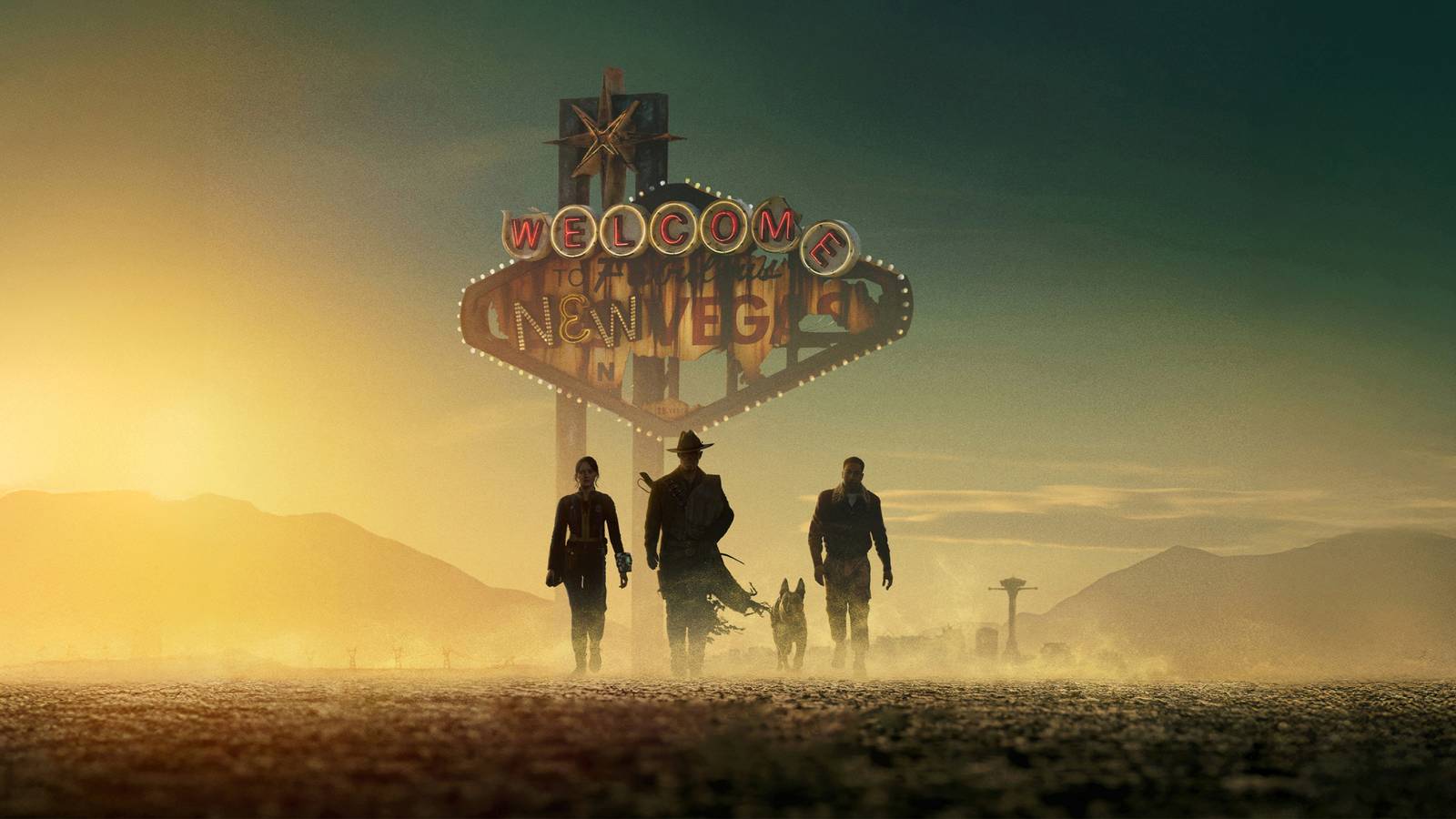
However, Amazon Prime’s Fallout show has already started doing a lot of that work. Season 1 brought the franchise to a much wider audience and turned Fallout back into a mainstream hit. On a much broader scale, it simply made Fallout feel current again and gave fans something to talk about that felt relevant rather than historical. And it did all of that without announcing Fallout 5, showing gameplay, or confirming a release window, if not just to remind people that it’s still here.
The point is that Fallout no longer needs Fallout 5 to prove the franchise is alive and well.
Now, things are getting even more interesting with the Fallout TV show. Todd Howard recently teased that Fallout Season 3 will show “new things” in the Fallout world that fans have never seen before in the games. That’s a huge statement for a franchise with decades of history, because the show is now effectively moving away from simply leaning on what is familiar to longtime fans. Essentially, it’s getting to a point now where it no longer needs nostalgia and a dedicated fan base to keep moving forward at full speed.
When it comes down to it, Fallout‘s geography has always been one of its greatest strengths. Every major entry gives players a new version of America to pick through, whether it’s the Capital Wasteland, the Mojave, the Commonwealth, Appalachia, or another irradiated corner of the country. So, when Howard talks about the show expanding that geography and showing things the games have not, it almost means that the franchise’s next big act of exploration may arrive on TV before it arrives in an RPG that players can actually put their hands on.
That doesn’t make Fallout 5 irrelevant, of course. It does make Fallout 5 less necessary as the franchise’s only engine, though. Even without a new game, the Fallout TV show can introduce new locations, new cultural pockets, new factions, and new problems in a way that keeps Fallout active while Bethesda is focused elsewhere. It’s a massive change, to say the least, for a series that once seemed like it was stuck waiting for another game to put some fuel back in the tank.

It also changes what Fallout 5 will eventually have to be. Howard has previously said Fallout 5 will exist in a world where the stories and events of the show happened or are happening. That means the show isn’t a disposable side story that Bethesda can ignore later, but part of the broader franchise context Fallout 5 will inherit, which makes the show feel more foundational at its core.
Todd Howard recently teased that Fallout Season 3 will show “new things” in the Fallout world that fans have never seen before in the games.
So, if you had to ask me, I’d say Bethesda’s next Fallout game doesn’t need to happen for the world of Fallout to keep growing. It doesn’t need to happen for newcomers to walk through its rusty 30-year-old door just to discover the world. It doesn’t need to happen for the franchise to add new ideas, locations, and narratives. I’m willing to admit that the show is already doing things and can do more, even if I really do selfishly want Fallout 5 to happen regardless.
Bethesda’s Long Wait Makes the Show Even More Important
The timing is what makes all of this even more important. Bethesda is currently focused on The Elder Scrolls 6, and Bethesda fans have been waiting even longer for it than the next Fallout game. Todd Howard has said the studio knows it needs to get The Elder Scrolls 6 right, which is exactly what I and many others want to hear. Still, that also means Fallout 5 isn’t exactly around the corner.
And this has always been Bethesda’s biggest modern problem. Its major RPGs are too large, too anticipated, and too complicated to move quickly. Starfield took years, The Elder Scrolls 6 has taken years, and Fallout 5 will still take years once it becomes the studio’s central focus. Plus, rushing any of those games would create a different problem, because fans, even if they don’t realize it, don’t just want Bethesda to pump out another RPG as soon as they can. Rather, they want the next Bethesda RPG to feel like it was worth the wait.
That leaves Fallout in a difficult spot if the games are the only thing that matters. A franchise can only coast on old releases for so long before its absence starts to work against it. Fallout 76 helps, sure, and a Fallout 3 or Fallout: New Vegas remake could help ease the wait even more. Even so, none of that fully replaces the cultural punch of a brand-new Fallout story arriving at just the right moment.
Todd Howard has said the studio knows it needs to get The Elder Scrolls 6 right, which is exactly what I and many others want to hear. Still, that also means Fallout 5 isn’t exactly around the corner.
However, that’s what the show is there for now, as it essentially acts as the bridge between Fallout‘s past and future in the gaming space. It keeps Fallout visible and relevant while the studio works on something else, it gives fans new material to analyze while Fallout 5 is still likely years away, and it gives Xbox and Bethesda a way to keep the franchise going without forcing the next game into an impossible timeline. In some ways, that’s actually probably the healthiest outcome one can hope for.

Let me be clear that Fallout 5 should still happen. If it never did, there would be a riot. And it should be massive, ambitious, strange, funny, grim, and unmistakably Bethesda. It should give players a new wasteland to live in for hundreds of hours. It should be treated like one of the most important RPGs of its generation, because that’s the way fans will view it once it arrives. But the pressure surrounding it has undoubtedly changed.
Fallout 5 is no longer tasked with single-handedly reviving Fallout because the Amazon Prime show has already accomplished that. It no longer has to be the only place where Fallout‘s world can grow, as the show is already proving otherwise. And it no longer has to convince people that this franchise still has life in it, because the TV show’s millions of viewers have already proved that much. At this point, Fallout 5 doesn’t need to happen. It just needs to happen when it’s ready to happen.
- Video Game(s)
-
Fallout, Fallout 2, Fallout 3, Fallout 4, Fallout 76, Fallout Shelter, Fallout: New Vegas, Fallout: Brotherhood of Steel, Fallout Tactics: Brotherhood of Steel
- Creation Year
-
1997
- Developer(s)
-
Interplay, Black Isle Studios, Bethesda, Obsidian Entertainment, Micro Forté
- Publisher(s)
-
Interplay, Bethesda Softworks
Fallout is a franchise built around a series of RPGs set in a post-nuclear world, in which great vaults have been built to shelter parts of humankind. There are six main games, various spin-offs, tabletop games, and a TV series from Amazon Studios.