



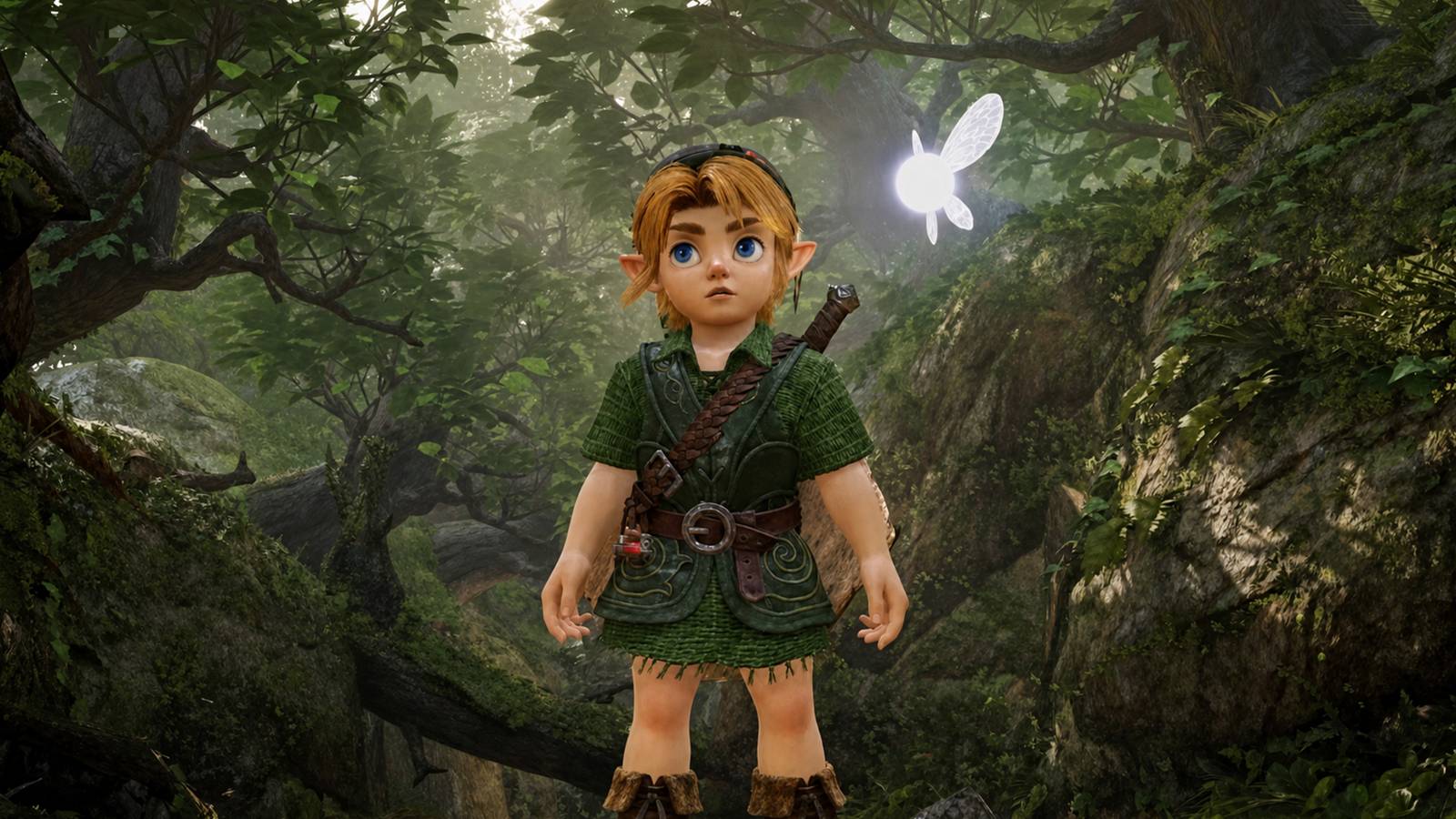
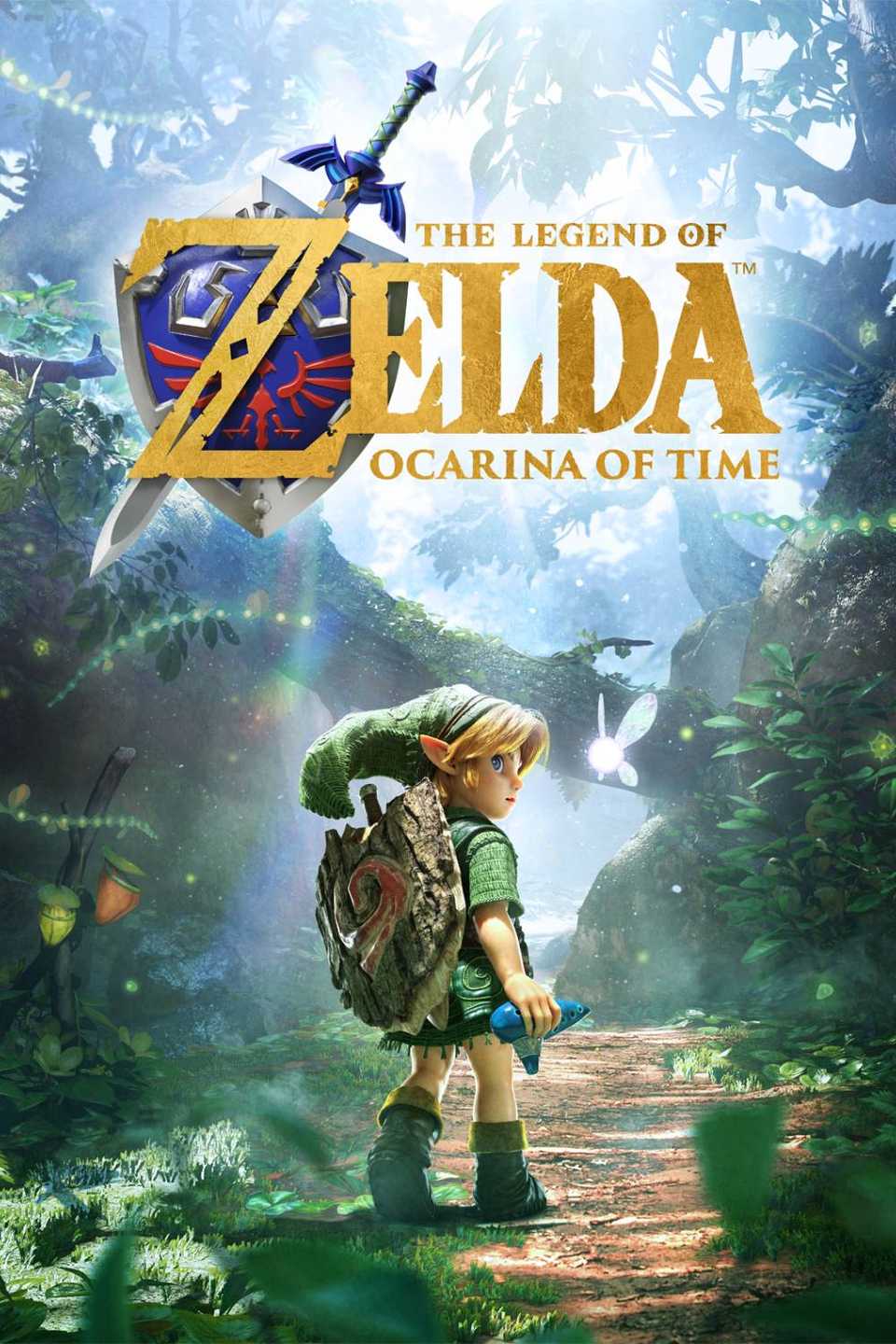
Voice acting in video games can be a very tricky beast to tame. I’ll admit, I actually prefer voice acting to simply reading text boxes these days, although I’m perfectly fine with reading the text and skipping the voiced dialogue if the performances aren’t worth listening to and ultimately remove me from the experience. I understand not everyone feels the way I do about voice acting, though, especially when it comes to adding voices to characters that previously didn’t have one. Nevertheless, that’s precisely what is happening with the upcoming Legend of Zelda: Ocarina of Time remake, so I suppose those who have an issue with it will have to “suffer” through it if they really want to play the game. I say that sarcastically, of course, because even though I am personally looking forward to hearing these characters speak for the first time, I also realize we may be losing something very special that the Nintendo 64 did exceedingly well.
Again, I will say that if the remake’s voice acting is just plain bad, I will have a difficult time staying immersed in the experience. That’s the tight rope that voice acting always walks, and it’s similar to the line between a beloved novel and its film adaptation. But even if the voice acting is passable, I’m beginning to realize that I may actually miss the silence. And I know I’m not alone, either. I previously wrote about the Ocarina of Time remake’s divisive decision to even add voice acting, and I know a handful of my readers pointed this out as well. In the original N64 version of the game, silence could be deafening, adding gravity to scenes that absolutely thrive on it. Now, with fully voiced characters, we’ll be losing that.
Ocarina of Time’s Silence Was One of Its Greatest Storytelling Strengths
While I wouldn’t mind if it were possible to disable the voice acting in the Ocarina of Time remake, I’m almost positive that won’t even be an option—at launch, anyway. Maybe, with enough gripes from players who consider themselves passionate enough about it to say something, Nintendo will eventually add the option to turn off voice acting in the game. However, there’s really no reason to believe that they ever will, because then you’re essentially giving players freedom to dismiss the work that the actors behind those voices put into the project. At that point, it becomes a potential waste of resources, even if a good portion of the player base decides to keep the voice acting on.

Put the consoles in the correct order.
As such, I’m fully prepared to play The Legend of Zelda: Ocarina of Time again with a fully voiced cast (apart from Link, of course), and I’m determined to enjoy the experience regardless of how I feel about the voices themselves. At the same time, I really am going to miss the silence, simply because of what it adds to the game’s heaviest cutscenes. Not every cutscene in Ocarina of Time has the same effect, but there are so many throughout the game that were once enhanced by the silence of non-voiced characters, accompanied only by the distant ambience and the sound effects that trigger when you’re tapping through the text dialogue.
Ocarina of Time’s Most Emotional Moments Didn’t Need a Voice
Take the scene between young Link and Saria as Link approaches the Kokiri Forest exit after defeating Queen Gohma inside the Greak Deku Tree, for example. I, for one, can still hear that scene to this day, and when I say I can “hear” it, I mean I can hear nothing but the birds cawing in the distance, and the solemn “dong” as I moved through Saria’s emotional dialogue with Link. In fact, even the scene with the Great Deku Tree, once Link has defeated Queen Gohma, is such an incredibly deep moment that I’m almost certain would be undercut by the Deku Tree having a voice. The more I consider it from this angle, the more I’m beginning to think voice acting, for once, might not be the best move to make here.
So, I suppose the question now is, will the Ocarina of Time remake lose one of the N64 classic’s biggest storytelling strengths? I really think it might. I’ve obviously heard some of the remake’s voice acting already in its first full trailer, and it sounds alright, I guess. Again, I know there are plenty of people out there who already loathe the way it sounds, but I’m personally not so bothered by it. What I think I may be bothered by most is not the quality of the voices but the presence of them. However, it’s too soon to tell whether the game’s most emotional moments will lose that emotion without the silence that once defined them. Perhaps it will still find ways to insert silence where it matters.
Until the Legend of Zelda: Ocarina of Time remake launches on November 5, 2026, I’m going to remain excited for whatever it offers me. As I am, what I consider, one of the biggest Zelda fans out there, I’m not really all that concerned about whether I’m going to enjoy the remake, especially considering it truly is one of my favorite games of all time—not to mention the highest-rated game in history. I’ll say it right now that I am going to enjoy it, and there’s nothing any negative Nancy could say that will force me not to. Still, I won’t stop thinking about that palpable silence that pervaded the original N64 game’s biggest cutscenes. That is, without a doubt, something I believe I will miss, no matter how good the remake ends up being.



- Released
-
November 5, 2026
- ESRB
-
Everyone 10+ / Animated Blood, Fantasy Violence
- Developer(s)
-
Nintendo
- Publisher(s)
-
Nintendo