









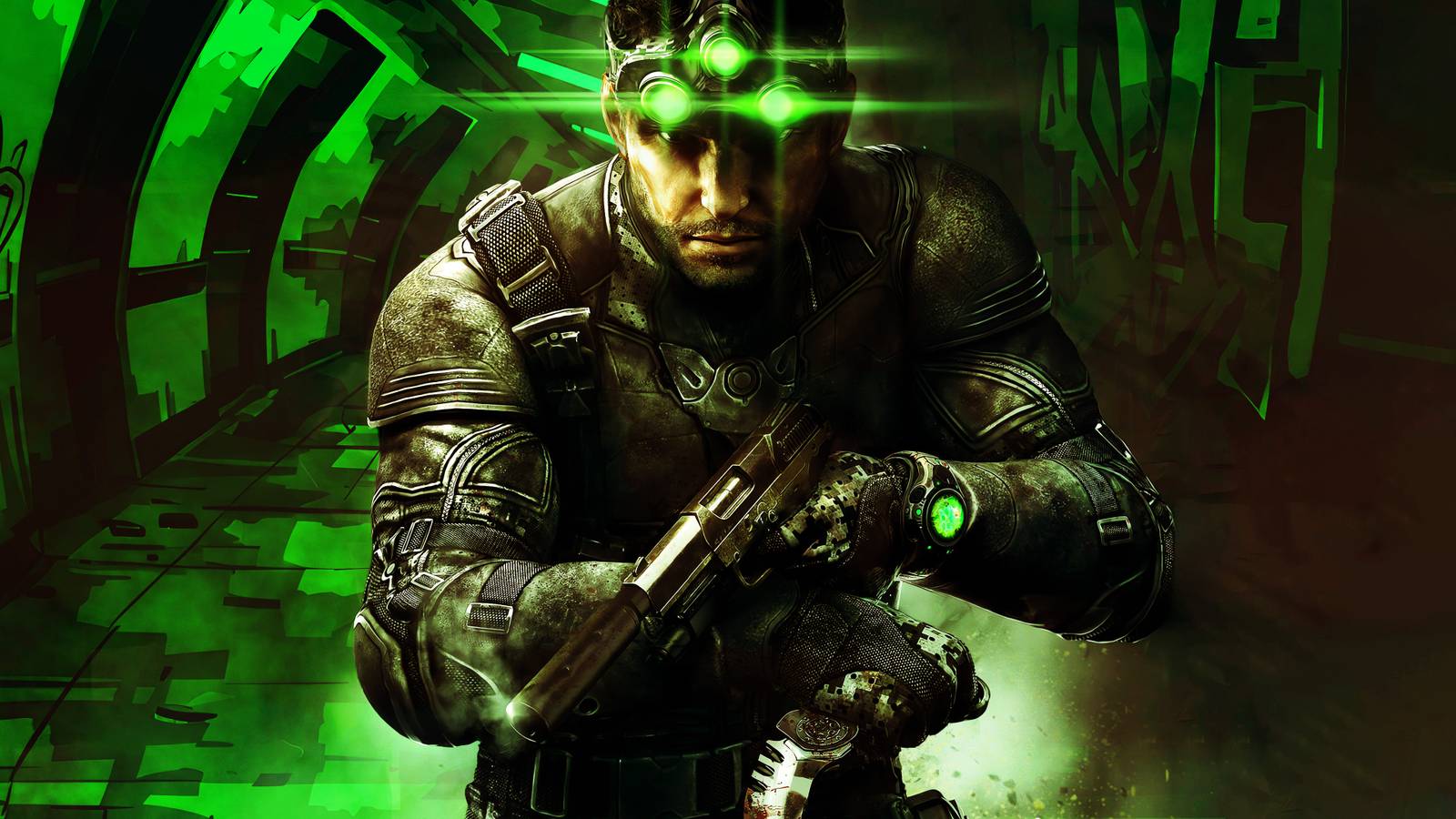
Stealth games are at their best when every dark corner feels like a potential escape route and every footstep could give away your position. Getting spotted can turn a carefully planned approach into chaos, but that doesn’t necessarily mean the player has failed. Steam’s Intravenous 3: Borderline understands that distinction, and it offers a stealth-focused experience where being caught can become the start of a different approach rather than an excuse to reload the last checkpoint.
The original Intravenous described itself as a “love letter to early Splinter Cell games,” but unlike stealth games that treat detection as a failure state, Borderline is willing to let things get messy. Stealth is encouraged, but it isn’t mandatory. If the shadows stop protecting you, you can go loud and deal with the consequences rather than immediately reaching for a reload. That makes every encounter feel more dynamic: staying hidden is one way to take control, but getting caught doesn’t take your choices away.
Intravenous 3 Gets What Stealth Games Sometimes Forget
Check Out Intravenous 3 on Steam
Intravenous 3: Borderline gives players plenty to work with, letting them use darkness, sound, distraction, gadgets, and the environment to create openings and slip past enemies. Patrol routes can be observed and manipulated, while the top-down perspective gives players a clear view of the danger ahead without every encounter predictable. It is a modern take on the kind of stealth-focused design that made early Splinter Cell so compelling, just viewed from a very different angle.
More importantly, Borderline doesn’t treat stealth as simply crouching behind cover until a guard walks away, because its system is designed around creating opportunities and deciding how to exploit them. A dark room can become a safe route, a distraction can pull an enemy away from a group, and the right gadget can change how an encounter unfolds. With more reactive enemies and expanded tactical options also promised for Intravenous 3, the free prologue makes a strong case for stealth as something players actively shape instead of a rigid sequence they have to execute perfectly.
The Splinter Cell Spirit Is Still There
Anyone who remembers creeping through the darkness in Splinter Cell should immediately recognize the appeal. Intravenous 3: Borderline also makes darkness part of the player’s toolkit. It encourages careful movement, sound management, distractions, and patience rather than simply throwing enemies into a room and asking players to shoot their way out. The difference is that Borderline presents these ideas from a top-down perspective, turning the familiar stealth fantasy into something faster and more tactical.
That Splinter Cell influence matters because stealth here is about reading the space around you. Where are the guards? What can they hear? Which route gives you the safest opening? Borderline builds its encounters around those questions, but it doesn’t demand that every answer ends with nobody knowing you were there. The classic stealth fantasy is still intact, but the game just leaves more room for things to go wrong.
Staying Hidden Is Only Half the Fun
Slipping past a room full of enemies without a single alarm going off is part of the fun of stealth games, and Intravenous 3: Borderline wants players to chase that feeling. Darkness can hide movement, sound can expose it, and distractions can create just enough space to sneak through. Gadgets and environmental interactions add even more ways to shape an encounter, making a successful infiltration feel earned rather than scripted. This adds a layer of realism which can extend the immersion of the player, which is a crucial addition to the overall experience.
The real appeal is that Borderline doesn’t make the perfect stealth run the only way to play. A guard spotting you doesn’t have to erase everything you just did, like it does in many other games. By reacting to the situation, changing your approach, and deciding whether disappearing back into the shadows is still worth it, there is a sense of learned improvement for your next encounter. Stealth remains powerful, but it isn’t so fragile that one mistake turns the entire encounter into a restart.
Every Plan Can Go Sideways

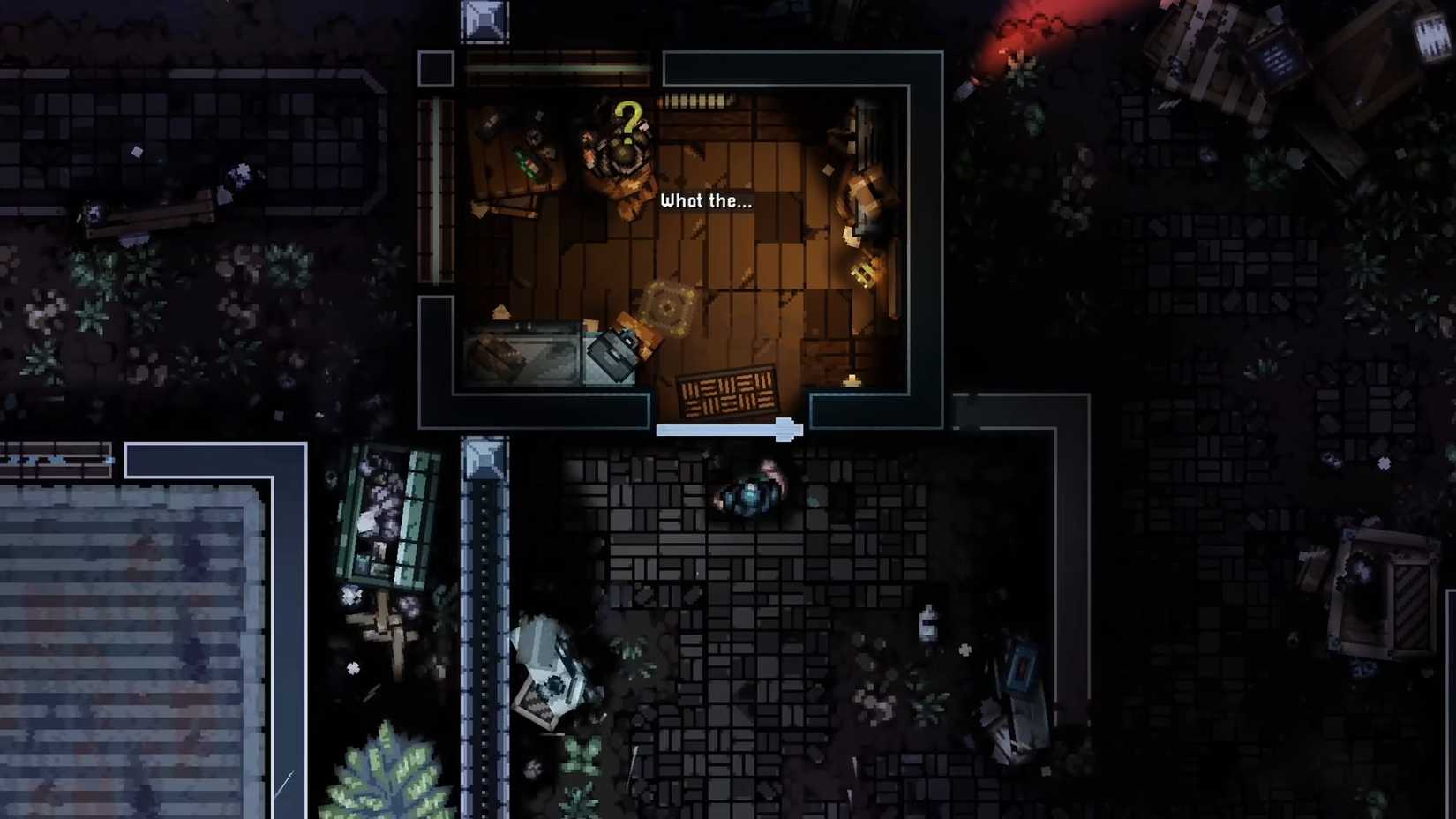
Any good stealth game should make you feel clever right up until the moment something goes wrong, just like in real life. Intravenous 3: Borderline has plenty of tools for setting up the perfect approach, but its appeal comes from what happens when that approach starts to unravel. A distraction might not go as planned, an enemy might spot movement, or a carefully chosen route can suddenly become dangerous. Instead of forcing the player back to square one, the situation can evolve.


Guess the games from the emojis.
Guess the games from the emojis.
Easy (120s)Medium (90s)Hard (60s)
That gives Borderline a scrappier edge than a traditional stealth-only experience. The goal isn’t necessarily to execute every encounter flawlessly; it’s to make decisions with the information available and deal with the consequences. While one attempt might end with a silent takedown and a clean escape, another could descend into gunfire. Both can come from the same encounter, which gives the game’s stealth systems considerably more room to breathe.
Stealth Still Has an Advantage

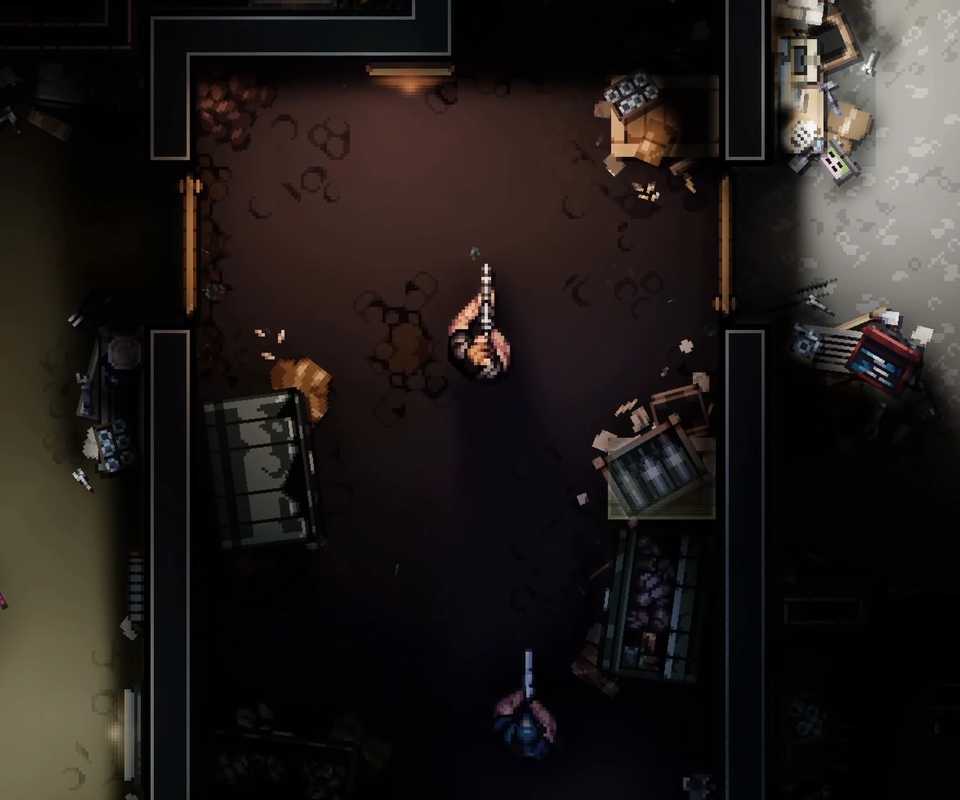
But making noise an option doesn’t mean Intravenous 3: Borderline stops being a stealth game; staying hidden can still let players avoid fights, control the pace of an encounter, and reach their objective without turning a carefully managed situation into a firefight. The tools for sneaking are there for a reason, and using them effectively can make an infiltration considerably easier.
The difference is that Borderline doesn’t seem interested in punishing players for abandoning that approach when circumstances change. Stealth can be the smartest option without being the only option, and that balance gives players a reason to experiment, because choosing the shadows isn’t about avoiding a failure state, it’s about deciding how much control they want over the chaos waiting on the side.
That is ultimately where Intravenous 3: Borderline feels most promising. The tension doesn’t only lie in when an enemy will spot you; it’s more about what you will do when they do. One moment can be spent quietly moving through the dark, and the next can turn into a desperate fight without forcing you to reload and pretend it never happened. Getting caught may change the plan, and in Borderline, you’re forced to adapt.